

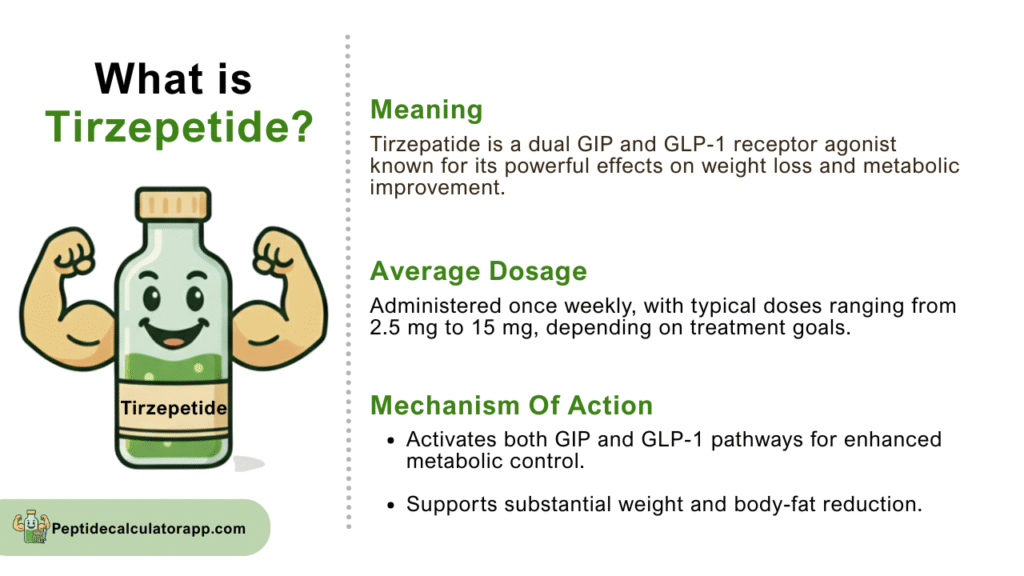
Tirzepatide is a synthetic peptide medication that functions as a dual glucose-dependent insulinotropic polypeptide (GIP) and glucagon-like peptide-1 (GLP-1) receptor agonist. Developed by Eli Lilly and Company, this innovative therapeutic compound was initially approved by the FDA for treating type 2 diabetes under the brand name Mounjaro. Subsequently, it received approval for chronic weight management under the brand name Zepbound.
The peptide consists of 39 amino acids and is structurally based on the natural GIP hormone, with modifications that enhance its stability and therapeutic effectiveness. Unlike traditional single-target therapies, Tirzepatide’s unique dual-action mechanism sets it apart from other peptide-based treatments in the metabolic health space.
How Tirzepatide Works
Tirzepatide’s dual mechanism of action involves targeting both GIP and GLP-1 receptors simultaneously, creating a synergistic effect that enhances metabolic regulation. The GIP receptor activation primarily occurs in pancreatic beta cells, promoting glucose-dependent insulin secretion while also influencing fat metabolism and energy expenditure. Meanwhile, GLP-1 receptor activation contributes to improved glycemic control, delayed gastric emptying, and enhanced satiety signals.
The peptide works by stimulating insulin release only when blood glucose levels are elevated, reducing the risk of hypoglycemia. Additionally, it suppresses glucagon secretion from pancreatic alpha cells when glucose levels are high, further contributing to improved glucose homeostasis.
This sophisticated mechanism extends beyond glucose regulation, as Tirzepatide also influences central nervous system pathways involved in appetite control and energy balance. The combined effects on both peripheral and central metabolic processes make it particularly effective for comprehensive metabolic improvement.
Benefits of Tirzepatide
Substantial and Sustained Weight Loss
Tirzepatide has rapidly become one of the most impactful therapies in modern obesity treatment. Clinical trials consistently show weight reductions of 15–22% of initial body weight—results that previously were achievable mainly through bariatric surgery. What stands out is not only the sheer amount of weight lost but the consistency across different patient groups, making Tirzepatide one of the most effective metabolic medications available today.
Exceptional Glycemic Control
For individuals living with type 2 diabetes, Tirzepatide offers a level of glycemic improvement that few medications have produced. Many patients reach HbA1c levels below 7%, and some even approach non-diabetic ranges while maintaining stable blood glucose throughout the day. The therapy supports better insulin sensitivity and may help preserve pancreatic beta-cell function, which is crucial for slowing the long-term progression of diabetes.
Improvements in Cardiovascular Health
Beyond weight and glucose control, Tirzepatide delivers measurable cardiovascular benefits. Patients often see improvements in blood pressure, cholesterol profiles, and markers of inflammation—all of which contribute to reduced long-term cardiovascular risk. These shifts are especially valuable for individuals who are overweight or diabetic, as both conditions significantly increase cardiac strain over time.
Support for Liver and Metabolic Health
Tirzepatide also shows promise in improving liver function, particularly in cases of non-alcoholic fatty liver disease (NAFLD). Reductions in liver fat, improved enzyme levels, and better overall metabolic balance are common findings in studies. These changes not only support liver health but also reflect deeper improvements in whole-body metabolic regulation.
Enhanced Overall Well-Being
Many users report benefits that extend far beyond lab values or weight measurements. Increased daily energy, improved mood, and better physical comfort are frequently mentioned as treatment progresses. These quality-of-life improvements often occur gradually but can have a significant impact on long-term motivation and lifestyle habits.
Dosage and Administration
Tirzepatide is administered via subcutaneous injection once weekly, typically in the abdomen, thigh, or upper arm. The standard dosing protocol begins with a low dose of 2.5 mg weekly for the first four weeks to minimize gastrointestinal side effects and allow the body to adjust to the medication.
Following the initial period, the dose is typically increased to 5 mg weekly for another four weeks. Based on individual response and tolerance, healthcare providers may continue escalating the dose in 2.5 mg increments every four weeks, with maximum doses reaching 15 mg weekly for diabetes treatment or up to 15 mg for weight management.
The injection should be administered on the same day each week, and patients should rotate injection sites to prevent lipodystrophy. If a dose is missed, it should be administered as soon as possible within four days, after which the regular weekly schedule should resume.
Storage and Stability
Proper storage of Tirzepatide is crucial for maintaining its therapeutic effectiveness. Unopened pens should be stored in the refrigerator at temperatures between 36°F and 46°F (2°C to 8°C). The medication should never be frozen or exposed to extreme temperatures, as this can denature the peptide structure and render it ineffective.
Once opened and in use, Tirzepatide pens can be stored at room temperature (up to 86°F or 30°C) for a maximum of 21 days. The medication should be protected from direct light and heat sources. Before each injection, the solution should be visually inspected for clarity and absence of particles or discoloration.
Patients should never use Tirzepatide that appears cloudy, discolored, or contains visible particles. Proper disposal of used pens in appropriate sharps containers is essential for safety and environmental protection.
Potential Side Effects
Gastrointestinal Effects
Tirzepatide is generally well-tolerated, but the gastrointestinal system is usually where patients notice changes first. Nausea is the most frequently reported side effect, especially during the early stages of dose escalation. For many people, the queasiness becomes less disruptive over time as the body adjusts to the medication, and symptoms often ease considerably once a steady dose is established.
Vomiting, Diarrhea, and Constipation
Some individuals also experience vomiting, diarrhea, or even constipation, depending on how their body responds. These effects tend to appear in short waves, most often when the dose is increased, and usually improve within a few weeks. Staying well hydrated can help, and providers may recommend temporary medications or slight adjustments to the dosage schedule if symptoms become difficult to manage.
Reduced Appetite and Blood Sugar Considerations
Tirzepatide’s appetite-lowering effect is a core part of its therapeutic benefit, but in some cases, hunger can drop more than expected. When food intake becomes too low, patients may feel fatigued or fail to meet basic nutritional needs. Healthcare providers often monitor for this and may suggest meal-planning strategies to ensure protein and essential nutrients remain adequate, especially for individuals with diabetes who also need to maintain stable blood glucose levels.
Injection Site Reactions
Mild injection site reactions can occur, including redness, slight swelling, or temporary irritation after dosing. These effects are usually brief and resolve without intervention. Rotating injection sites and following proper administration techniques can greatly reduce the chances of local discomfort.
FAQs
Q1. How quickly does Tirzepatide start working?
Ans: Most patients begin experiencing appetite suppression and initial weight loss within the first few weeks of treatment, with more significant results becoming apparent after 8-12 weeks of consistent use.
Q2. Can Tirzepatide be used with other diabetes medications?
Ans: Yes, Tirzepatide can often be combined with other diabetes medications, though dose adjustments may be necessary to prevent hypoglycemia, particularly with insulin or sulfonylureas.
Q3. What happens if I stop taking Tirzepatide?
Ans: Weight regain and return of previous blood glucose levels typically occur after discontinuing Tirzepatide, emphasizing the importance of maintaining lifestyle changes and considering long-term treatment strategies.
Q4. Is Tirzepatide covered by insurance?
Ans: Coverage varies by insurance provider and indication. Many insurance plans cover Tirzepatide for diabetes treatment, while coverage for weight management may be more limited.
Final Thoughts
Tirzepatide represents a significant advancement in metabolic medicine, offering hope for individuals struggling with type 2 diabetes and obesity. Its dual-action mechanism provides comprehensive metabolic benefits that extend beyond traditional single-target therapies. While the medication requires careful monitoring and commitment to lifestyle changes, the potential for substantial health improvements makes it a valuable therapeutic option for appropriate candidates.
As with any medication, individual responses may vary, and close collaboration with healthcare providers is essential for optimizing treatment outcomes. The growing body of research supporting Tirzepatide’s efficacy continues to expand our understanding of its therapeutic potential and long-term benefits.