
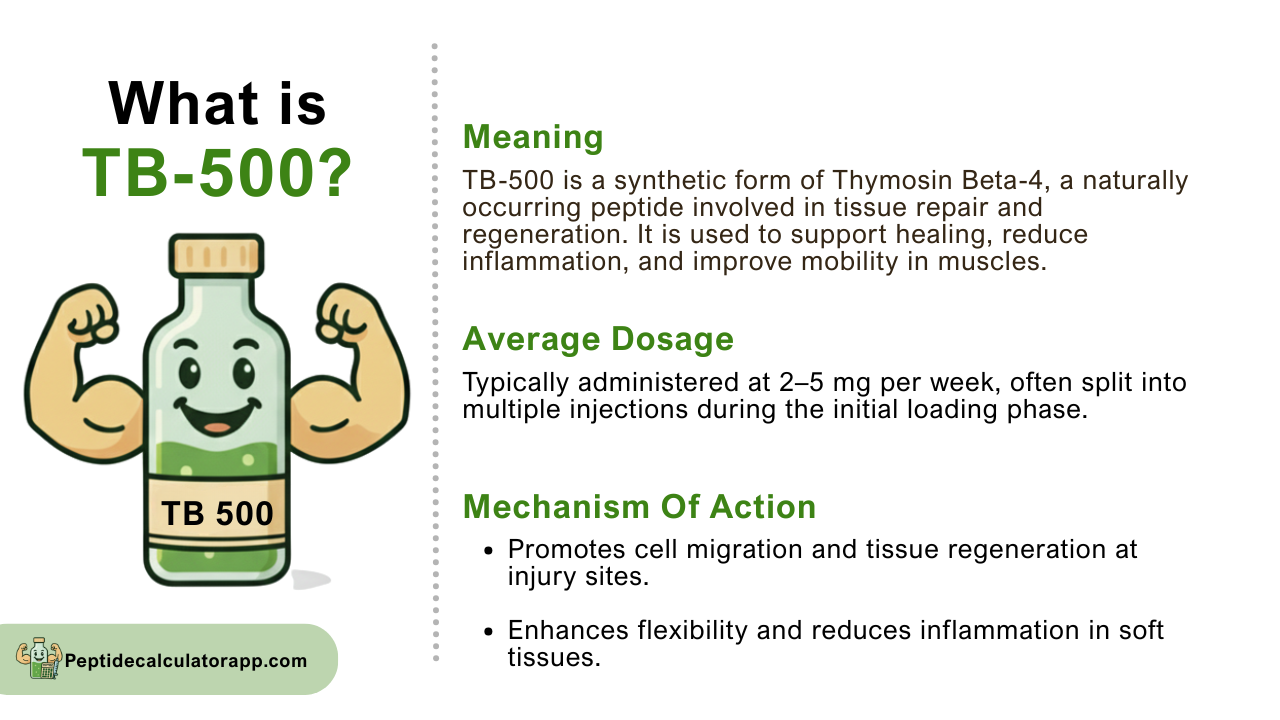
TB-500 is a synthetic analog of Thymosin Beta-4, a naturally occurring protein found in high concentrations throughout the human body. This 43-amino acid peptide plays a crucial role in cellular repair, wound healing, and tissue regeneration. Originally discovered in the thymus gland, Thymosin β4 is present in virtually all human and animal cells, with particularly high concentrations found in blood platelets, wound fluid, and various organs.
The synthetic version, TB-500, was developed to harness the therapeutic benefits of natural Thymosin β4 while providing enhanced stability and bioavailability. This peptide has become increasingly popular in research settings and among individuals seeking accelerated healing and recovery from injuries, surgical procedures, and various degenerative conditions.
How TB-500 Works?
TB-500 (Thymosin β4) operates through several sophisticated biological mechanisms that promote healing and tissue regeneration. The primary mechanism involves the regulation of actin, a protein essential for cell structure and movement. By binding to actin, TB-500 promotes cell migration, which is fundamental to the wound healing process.
The peptide also stimulates angiogenesis, the formation of new blood vessels, which ensures adequate blood supply to healing tissues. This enhanced vascularization delivers essential nutrients and oxygen while removing metabolic waste products from damaged areas. Additionally, TB-500 modulates inflammation by reducing the production of pro-inflammatory cytokines while promoting anti-inflammatory responses.
Another critical aspect of TB-500’s mechanism involves stem cell mobilization and differentiation. The peptide encourages the migration of stem cells to injury sites and promotes their differentiation into the specific cell types needed for tissue repair. This process is particularly important for healing muscle, tendon, ligament, and cardiac tissue.
Benefits of TB-500 (Thymosin β4)
Enhanced Healing of Tendons and Ligaments
Tendon and ligament injuries can take significantly longer to heal due to poor blood supply. TB-500 helps address this challenge by promoting cell migration, encouraging new blood vessel growth, and supporting proper collagen alignment within damaged tissues. As a result, it shows strong potential for improving chronic tendonitis, ligament strains, and other connective tissue injuries that typically require prolonged recovery.
Cardiovascular Protection and Repair
Another notable benefit of TB-500 is its potential role in cardiovascular healing. Research indicates that the peptide may support the repair of heart tissue following events such as myocardial infarction and may contribute to overall improvements in cardiac function. This makes TB-500 unique among regenerative peptides, as its benefits extend beyond musculoskeletal tissue to vital organs.
Systemic Regeneration and Tissue Healing
TB-500 provides healing effects that reach throughout the body due to its ability to travel easily through tissues. This systemic action supports enhanced cellular regeneration, faster wound healing, and reduced scar tissue formation. Its broad regenerative capabilities make it especially useful for individuals recovering from surgeries, injuries, or chronic inflammatory conditions.
Anti-Inflammatory Support
Chronic inflammation can slow healing and contribute to ongoing pain and tissue degeneration. TB-500 helps reduce inflammatory markers within the body, allowing injuries to resolve more efficiently and with less discomfort. This anti-inflammatory effect is a key component of its overall regenerative impact.
Dosage and Administration
TB-500 (Thymosin β4) dosage protocols vary depending on the specific condition being treated, individual factors, and research objectives. Typical dosing ranges from 2-10 mg per week, often divided into multiple smaller injections throughout the week. For acute injuries, higher initial doses may be used, typically 5-10 mg weekly for the first 4-6 weeks, followed by maintenance doses of 2-5 mg weekly.
The peptide is administered via subcutaneous injection, similar to insulin administration. Common injection sites include the abdomen, thigh, or upper arm areas with adequate subcutaneous tissue. Rotation of injection sites is recommended to prevent tissue irritation and ensure optimal absorption.
For chronic conditions or ongoing maintenance, lower doses of 2-5 mg weekly may be sufficient to maintain therapeutic benefits. Some protocols involve cycling the peptide, using it for 4-6 weeks followed by a break period, though continuous use has also been studied with positive results.
It’s important to note that TB-500 should be reconstituted with bacteriostatic water and used within the recommended timeframe to maintain potency and sterility. Proper injection technique and sterile practices are essential for safe administration.
Storage and Stability
Proper storage of TB-500 (Thymosin β4) is crucial for maintaining its therapeutic efficacy and preventing degradation. Lyophilized (freeze-dried) TB-500 should be stored in a freezer at temperatures between -20°C to -80°C (-4°F to -112°F). Under these conditions, the peptide remains stable for extended periods, typically 2-3 years from the manufacturing date.
Once reconstituted with bacteriostatic water, TB-500 should be stored in a refrigerator at 2-8°C (36-46°F). Reconstituted peptide maintains stability for approximately 30 days when properly refrigerated. It’s essential to protect the solution from light exposure, which can degrade the peptide structure.
Avoid freezing reconstituted TB-500, as freeze-thaw cycles can damage the peptide structure and reduce effectiveness. Always use sterile, bacteriostatic water for reconstitution, and ensure proper handling techniques to prevent contamination. Store vials upright and avoid excessive agitation or shaking, which can denature the protein structure.
Potential Side Effects
General Tolerance and Safety Profile
TB-500 (Thymosin β4) is widely considered to be well-tolerated, with most research indicating a strong safety profile when used responsibly. For many individuals, the peptide produces minimal adverse reactions, and any side effects that do occur are typically mild and short-lived.
Injection Site Reactions
The most commonly reported side effects involve minor injection site irritation. This may include temporary redness, slight swelling, or mild discomfort at the injection area. These reactions usually resolve within a few hours and are consistent with what is seen in many other injectable therapies.
Fatigue and Lethargy
Some users experience a sense of fatigue or mild lethargy during the first few weeks of treatment. This tends to diminish as the body adjusts to the peptide, and many individuals find that their energy levels return to baseline over time.
Headaches
Occasional headaches have been reported anecdotally, though it is not definitively known whether they are directly caused by TB-500. These occurrences are generally mild and temporary but should still be monitored.
Allergic Reactions
Although uncommon, allergic reactions remain one of the more serious potential risks. Symptoms may include itching, rash, swelling of the face or throat, or difficulty breathing. These signs require immediate medical attention, as they may indicate a sensitivity or allergy to the peptide or its components.
FAQs
Q1. How long does it take to see results from TB-500?
Ans: Results from TB-500 (Thymosin β4) can vary depending on the condition being treated and individual factors. For acute injuries, some individuals report noticeable improvements within the first week of treatment, with more significant benefits becoming apparent after 2-4 weeks of consistent use. Chronic conditions may require longer treatment periods to achieve optimal results.
Q2. Can TB-500 be used alongside other peptides?
Ans: TB-500 is often used in combination with other therapeutic peptides, and many researchers have explored synergistic protocols. The combination with other healing peptides may provide enhanced therapeutic benefits, though proper spacing and dosing considerations are important for optimal results and safety.
Q3. Is TB-500 legal for personal use?
Ans: The legal status of TB-500 varies by jurisdiction and intended use. In many countries, TB-500 is available for research purposes but may not be approved for human therapeutic use. It’s essential to understand local regulations and consult with healthcare professionals before considering TB-500 therapy.
Q4. How does TB-500 compare to other healing peptides?
Ans: TB-500 offers unique benefits compared to other healing peptides, with particular strengths in cardiovascular health and systemic tissue repair. While some peptides may be more targeted for specific conditions, TB-500’s broad spectrum of activity makes it valuable for comprehensive healing protocols.
Final Thoughts
TB-500 (Thymosin β4) represents a promising advancement in regenerative medicine, offering significant potential for treating various conditions involving tissue damage and impaired healing. Its unique mechanism of action, favorable safety profile, and broad therapeutic applications make it an attractive option for individuals seeking advanced healing solutions.
While the research supporting TB-500’s therapeutic benefits continues to grow, it’s important to approach its use with appropriate caution and professional guidance. The peptide’s complex biological effects require careful consideration of dosing, administration, and monitoring protocols to ensure safe and effective outcomes.
As our understanding of TB-500’s therapeutic potential continues to evolve through ongoing research, it’s likely that new applications and protocols will emerge. For individuals considering TB-500 therapy, working with knowledgeable healthcare providers and staying informed about the latest research developments will be crucial for maximizing benefits while minimizing risks.