
Semaglutide is a synthetic glucagon-like peptide-1 (GLP-1) receptor agonist that mimics the action of the naturally occurring incretin hormone GLP-1. Originally developed for the treatment of type 2 diabetes, this peptide has demonstrated exceptional results in both glycemic control and weight management. The medication belongs to a class of drugs called incretin mimetics, which work by enhancing the body’s natural ability to regulate blood sugar levels and control appetite.
First approved by the FDA in 2017 for diabetes treatment under the brand name Ozempic, semaglutide later received approval for chronic weight management in 2021 under the brand name Wegovy. The peptide is available in both injectable and oral formulations, with the injectable version being the most commonly prescribed due to its superior bioavailability and effectiveness.
How Semaglutide Works?
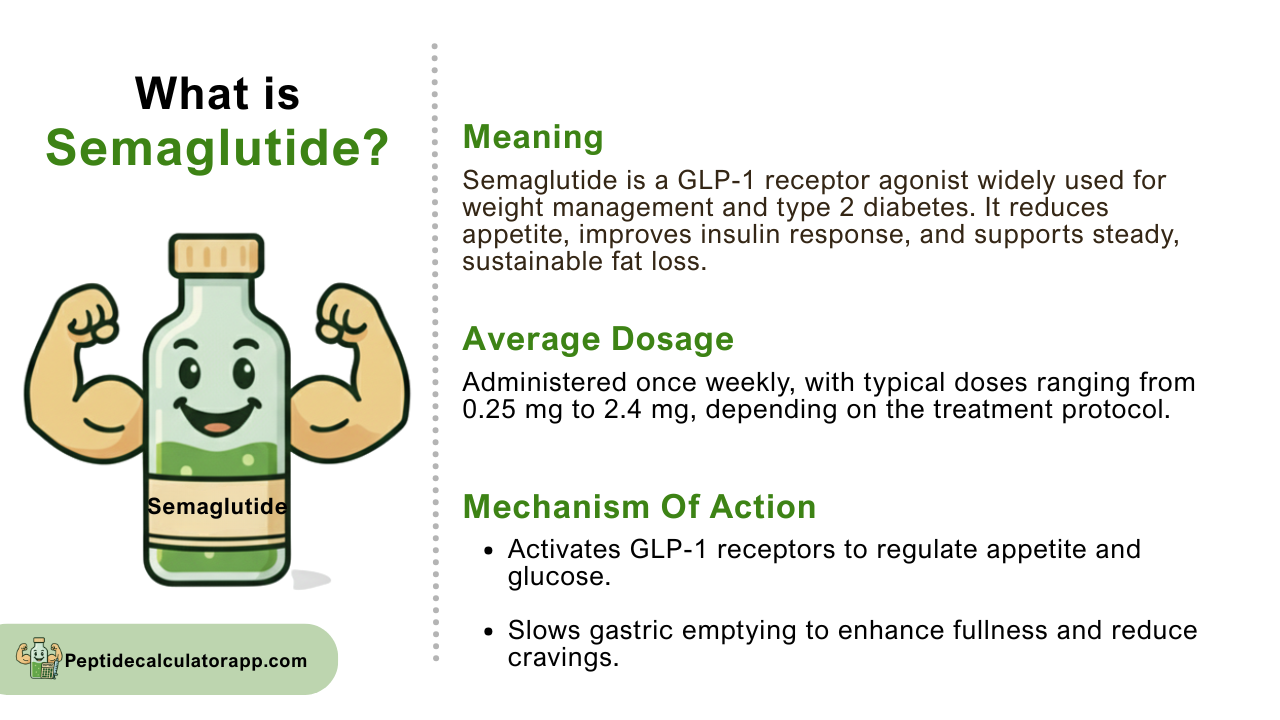
Semaglutide functions by binding to and activating GLP-1 receptors throughout the body, particularly in the pancreas, stomach, and brain. When blood glucose levels are elevated, the peptide stimulates insulin secretion from pancreatic beta cells while simultaneously suppressing glucagon release from alpha cells. This dual action helps maintain optimal blood sugar levels without causing hypoglycemia during periods of normal glucose concentrations.
The peptide also significantly slows gastric emptying, which prolongs the feeling of fullness after meals and reduces overall food intake. Additionally, semaglutide acts on the hypothalamus in the brain, specifically targeting areas responsible for appetite regulation and satiety signaling. This central nervous system effect contributes to the substantial weight loss observed in clinical trials.
Unlike naturally occurring GLP-1, which has a half-life of only a few minutes, semaglutide has been modified to resist degradation by the enzyme DPP-4, resulting in a much longer half-life of approximately one week. This extended duration allows for once-weekly dosing, improving patient compliance and convenience.
Benefits of Semaglutide
Improved Glycemic Control
Semaglutide is widely recognized for its ability to deliver strong and consistent glucose control, especially in individuals with type 2 diabetes. Many patients experience notable reductions in HbA1c, often reaching levels that were difficult to achieve with previous therapies. Its steady, predictable action helps smooth out day-to-day fluctuations in blood sugar, making long-term management more attainable.
Significant Weight Loss
One of the most remarkable advantages of semaglutide is its impact on weight. Clinical studies have shown average weight reductions of 15–20% of starting body weight, and in some cases even more. This degree of weight loss can make a meaningful difference for individuals dealing with obesity-related issues such as sleep apnea, joint strain, and elevated cardiovascular risk.
Cardiovascular Protection
Semaglutide also offers well-documented cardiovascular benefits. Research indicates a reduced risk of major cardiovascular events like stroke, heart attack, and cardiovascular-related death. These protective effects seem to stem from improvements in inflammation, vascular function, and metabolic markers, giving the medication an important role in long-term heart health for high-risk patients.
Broader Therapeutic Potential
Beyond its immediate metabolic effects, semaglutide highlights the promise of modern peptide-based therapies. Much like BPC-157, known for its regenerative properties, semaglutide demonstrates how targeted peptides can influence complex biological pathways with fewer systemic side effects than many traditional medications.
Dosage and Administration
Semaglutide Dosage follows a gradual escalation protocol to minimize gastrointestinal side effects and improve tolerability. For diabetes management, treatment typically begins with 0.25 mg once weekly for the first four weeks, followed by an increase to 0.5 mg weekly. If additional glycemic control is needed, the dose can be further increased to 1.0 mg weekly after at least four weeks at the 0.5 mg dose.
For weight management purposes, the dosing schedule is more aggressive, starting at 0.25 mg weekly for four weeks, then escalating to 0.5 mg for four weeks, followed by 1.0 mg for four weeks, 1.7 mg for four weeks, and finally reaching the maintenance dose of 2.4 mg weekly. This gradual titration helps patients adapt to the medication while minimizing adverse effects.
The injection should be administered subcutaneously in the abdomen, thigh, or upper arm, rotating injection sites to prevent lipodystrophy. Patients should be trained on proper injection technique and counseled on the importance of adherence to the dosing schedule for optimal results.
Storage and Stability
Proper storage of semaglutide is crucial for maintaining its potency and safety. Unopened pens should be stored in the refrigerator at temperatures between 36°F and 46°F (2°C to 8°C) and should never be frozen or exposed to direct heat or light. Once in use, the pen can be stored at room temperature (up to 86°F or 30°C) for a maximum of 56 days.
The medication should always be kept in its original packaging to protect it from light, and the pen cap should be replaced after each use. If the solution appears cloudy, discolored, or contains particles, it should not be used and should be discarded properly according to local guidelines for medication disposal.
Patients should be advised to check expiration dates regularly and never use expired medication. When traveling, special considerations should be made to maintain proper storage conditions, including the use of cooling packs when necessary.
Potential Side Effects
Gastrointestinal Effects
Semaglutide is usually well-tolerated, but the digestive system is often the first place where patients notice changes. Nausea is the most common complaint, especially during the early phases of treatment or when the dose is increased. Some individuals may also experience vomiting, diarrhea, abdominal discomfort, or constipation. These issues tend to lessen as the body becomes accustomed to the medication, and many patients find that symptoms fade once a stable dose is reached.
Pancreatic, Gallbladder, and Kidney Concerns
Although uncommon, more serious side effects can occur. Pancreatitis, gallbladder complications, and kidney problems have been reported in a small portion of users. Healthcare providers typically review warning signs with patients—such as severe abdominal pain or changes in urination—so that any concerning symptoms can be addressed promptly. While thyroid tumors have been observed in animal studies, the relevance of this risk in humans remains uncertain, but it is still included as a precaution in prescribing guidelines.
Hypoglycemia and Medication Interactions
Low blood sugar is not a frequent issue when semaglutide is taken alone. However, the risk increases when it is combined with other glucose-lowering medications like insulin or sulfonylureas. In those situations, providers often adjust the accompanying therapy to help prevent hypoglycemic episodes and maintain safe, stable glucose levels.
FAQs
Q1. How long does it take to see results with semaglutide?
Ans: Most patients begin to notice appetite suppression and initial weight loss within the first few weeks of treatment. Significant weight loss and glycemic improvements typically become apparent after 8-12 weeks of consistent use.
Q2. Can semaglutide be used with other diabetes medications?
Ans: Yes, semaglutide can be combined with most other diabetes medications, including metformin, SGLT-2 inhibitors, and DPP-4 inhibitors. However, dose adjustments may be necessary when used with insulin or sulfonylureas to prevent hypoglycemia.
Q3. What happens if I miss a dose?
Ans: If a dose is missed and it’s been less than 5 days, take the missed dose as soon as possible. If more than 5 days have passed, skip the missed dose and take the next dose on the regularly scheduled day.
Q4. Is semaglutide safe for long-term use?
Ans: Current evidence suggests that semaglutide is safe for long-term use when properly monitored by healthcare professionals. Long-term studies have followed patients for several years without significant safety concerns emerging.
Final Thoughts
“Sema” GLP-1 (Semaglutide) represents a significant advancement in the treatment of type 2 diabetes and obesity, offering patients an effective tool for achieving better health outcomes. Its unique mechanism of action, combined with its proven efficacy and relatively favorable safety profile, makes it an attractive option for appropriate candidates. However, like all medications, semaglutide should be used under proper medical supervision with careful consideration of individual patient factors, contraindications, and potential side effects. The decision to initiate semaglutide therapy should always involve thorough discussion between patients and their healthcare providers to ensure optimal outcomes and safety.