

PEG-MGF, or Pegylated Mechano Growth Factor, is a synthetic peptide derived from IGF-1 (Insulin-like Growth Factor-1) that has been chemically modified through pegylation. This process involves attaching polyethylene glycol (PEG) molecules to the peptide structure, significantly enhancing its stability and extending its half-life in the body. The natural MGF is produced locally in muscle tissue in response to mechanical stress or exercise, but PEG-MGF offers a more stable and longer-lasting alternative for research purposes.
The peptide consists of 24 amino acids and is specifically designed to target muscle satellite cells, which are crucial for muscle repair and growth. Unlike other growth factors, PEG-MGF has a unique ability to activate dormant satellite cells and promote their proliferation, making it particularly valuable for muscle recovery and regeneration research.
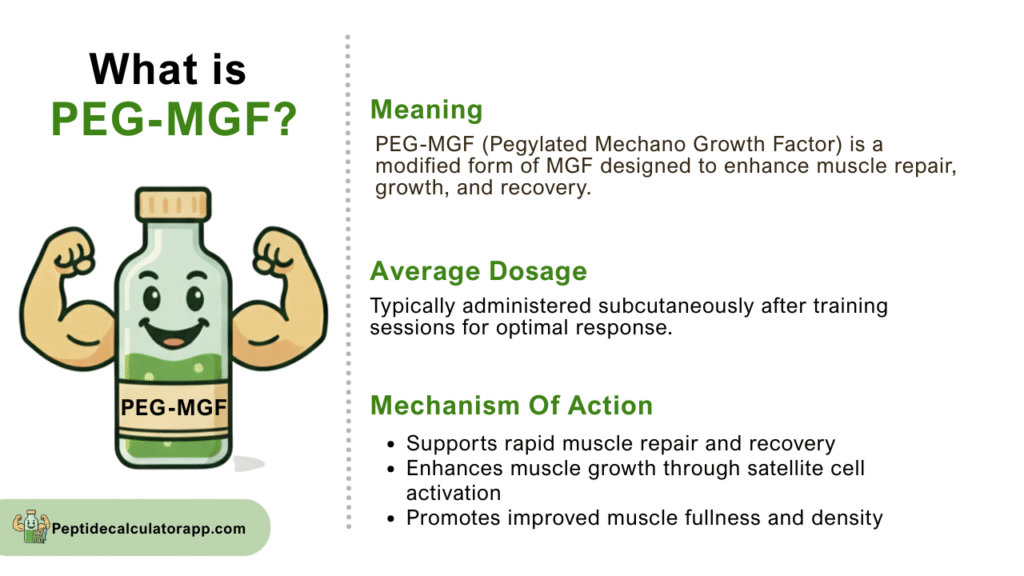
How PEG-MGF Works?
PEG-MGF operates through a sophisticated cellular mechanism that differs from other growth factors. Upon administration, the peptide binds to specific receptors on muscle satellite cells, triggering a cascade of intracellular events that promote cell activation and proliferation. The pegylation process allows the peptide to remain active in the system for extended periods, providing sustained stimulation of these cellular processes.
The primary mechanism involves the activation of the PI3K/Akt pathway, which is essential for cell survival and growth. PEG-MGF also influences the expression of various genes involved in muscle development and repair, including myogenin and MyoD. This genetic modulation leads to enhanced protein synthesis and improved muscle fiber regeneration.
Additionally, PEG-MGF promotes angiogenesis, the formation of new blood vessels, which is crucial for delivering nutrients and oxygen to growing muscle tissue. This vascular development ensures that the enhanced muscle growth is properly supported by adequate blood supply.
Benefits of PEG-MGF
Potential Side Effects
PEG-MGF is generally well-tolerated in research settings, but some individuals may experience mild or temporary reactions as the body adjusts. As with any peptide, responses can vary depending on dosage, frequency, and individual sensitivity.
Common Mild Effects
The most commonly noted side effects of PEG-MGF are typically mild and short-lived. Some users may experience temporary fatigue, slight headaches, or a feeling of overall tiredness shortly after administration. These effects usually subside as the body becomes familiar with the peptide.
Injection Site Reactions
Because PEG-MGF is commonly administered through subcutaneous injection, minor injection site reactions can occur. These may include mild redness, swelling, itching, or tenderness at the injection site. Using proper injection technique and rotating injection locations can help reduce these reactions.
Rare but Serious Effects
Although uncommon, more serious side effects are possible. Some individuals may experience allergic reactions, which could present as persistent swelling, rash, or difficulty breathing. Anyone considering PEG-MGF should consult with a qualified healthcare provider, especially individuals with pre-existing health conditions or those taking other medications, to ensure safe and appropriate use.
Dosage and Administration
Dosage protocols for PEG-MGF vary significantly depending on the specific research objectives and experimental design. Typical research doses range from 200 to 400 micrograms per administration, though some studies have used higher or lower amounts based on specific requirements.
The peptide is typically administered via subcutaneous injection, though intramuscular administration has also been studied. The injection site should be rotated to prevent tissue irritation and ensure optimal absorption. Most research protocols involve administration 2-3 times per week, taking advantage of the peptide’s extended half-life.
Timing of administration can be crucial for maximizing benefits. Many researchers administer PEG-MGF post-exercise to take advantage of the natural muscle damage and repair cycle. However, some studies suggest that pre-exercise administration may also be beneficial for priming the muscle tissue for enhanced recovery.
It’s important to note that individual response to PEG-MGF can vary significantly, and dosage adjustments may be necessary based on observed outcomes and tolerance. Research protocols should always include careful monitoring and documentation of all administered doses and observed effects.
Storage and Stability
Proper storage of PEG-MGF is essential for maintaining its biological activity and ensuring reliable research results. The lyophilized (freeze-dried) form should be stored at -20°C or lower in a dry environment, protected from light and moisture. Under these conditions, the peptide can maintain its stability for extended periods, typically 2-3 years.
Once reconstituted with bacteriostatic water or sterile saline, PEG-MGF should be stored in the refrigerator at 2-8°C. The reconstituted solution maintains its potency for approximately 4-6 weeks when properly stored. It’s crucial to use sterile techniques during reconstitution to prevent bacterial contamination.
Temperature fluctuations should be avoided, as they can degrade the peptide structure and reduce its effectiveness. Freezing and thawing cycles of the reconstituted solution should also be minimized, as this can damage the peptide bonds and compromise biological activity.
All storage containers should be clearly labeled with the reconstitution date and concentration to ensure proper tracking and usage. Research facilities should maintain detailed logs of storage conditions and any temperature excursions that may affect peptide stability.
Potential Side Effects
Fatigue and Lethargy
Some individuals report experiencing fatigue or lethargy after administering PEG-MGF, especially during the early stages of use. This may be related to the increased metabolic activity associated with muscle repair and protein synthesis. In most cases, these symptoms diminish as the body adjusts to the peptide.
Less Common Effects
Less frequently, users may experience mild headaches, temporary fluctuations in blood glucose levels, or occasional joint discomfort. As with other research peptides such as BPC-157, individual reactions can vary widely, making consistent monitoring important throughout the research process.
FAQs
Q1. How long does it take to see results from PEG-MGF research?
Ans: Research results typically become apparent within 2-4 weeks of consistent administration, though some studies have reported earlier biochemical changes. The timeline can vary based on dosage, administration frequency, and specific research parameters being measured.
Q2. Can PEG-MGF be combined with other research compounds?
Ans: Many research protocols successfully combine PEG-MGF with other peptides and compounds. However, potential interactions should be carefully considered, and combination studies should include appropriate controls to determine individual and synergistic effects.
Q3. What is the difference between MGF and PEG-MGF?
Ans: The primary difference lies in stability and half-life. PEG-MGF has been chemically modified with polyethylene glycol, which significantly extends its active duration in the body and improves its resistance to degradation compared to natural MGF.
Q4. How should PEG-MGF be reconstituted for research use?
Ans: PEG-MGF should be reconstituted using bacteriostatic water or sterile saline using aseptic techniques. The reconstitution should be done slowly, allowing the powder to dissolve naturally without vigorous mixing that could damage the peptide structure.
Q5. Is PEG-MGF suitable for long-term research studies?
Ans: Yes, PEG-MGF’s enhanced stability makes it well-suited for extended research protocols. However, long-term studies should include regular monitoring of effects and potential adaptation responses that may occur over time.
Final Thoughts
PEG-MGF represents a significant advancement in peptide research technology, offering researchers a stable and effective tool for studying muscle regeneration and growth mechanisms. Its unique properties, particularly its ability to activate satellite cells and promote muscle repair, make it an invaluable compound for various research applications.
The enhanced pharmacokinetic profile provided by pegylation addresses many of the limitations associated with natural growth factors, allowing for more practical and consistent research protocols. As our understanding of muscle biology continues to evolve, PEG-MGF will likely play an increasingly important role in developing therapeutic strategies for muscle-related conditions.
For researchers considering PEG-MGF in their studies, careful attention to proper handling, storage, and administration protocols is essential for achieving reliable and reproducible results. The growing body of research supporting its efficacy and safety profile makes it an attractive option for various experimental applications in muscle physiology and regenerative medicine.