
NSI-189 Phosphate is a synthetic nootropic compound originally developed by Neuralstem Inc. for the treatment of major depressive disorder (MDD). This benzylpiperazine-aminiopyridine compound is the phosphate salt form of NSI-189, designed to enhance the compound’s stability and bioavailability. Unlike traditional antidepressants that primarily work by modulating neurotransmitter levels, NSI-189 Phosphate takes a revolutionary approach by actually promoting the growth of new neurons in the hippocampus, a brain region crucial for memory formation and emotional regulation.
The compound was specifically engineered to cross the blood-brain barrier effectively and target neuroplasticity mechanisms that decline with age, stress, and neurological conditions. Its unique molecular structure allows it to interact with multiple pathways involved in neuronal growth and survival, making it a promising candidate for treating conditions characterized by hippocampal atrophy.
How NSI-189 Phosphate Works?
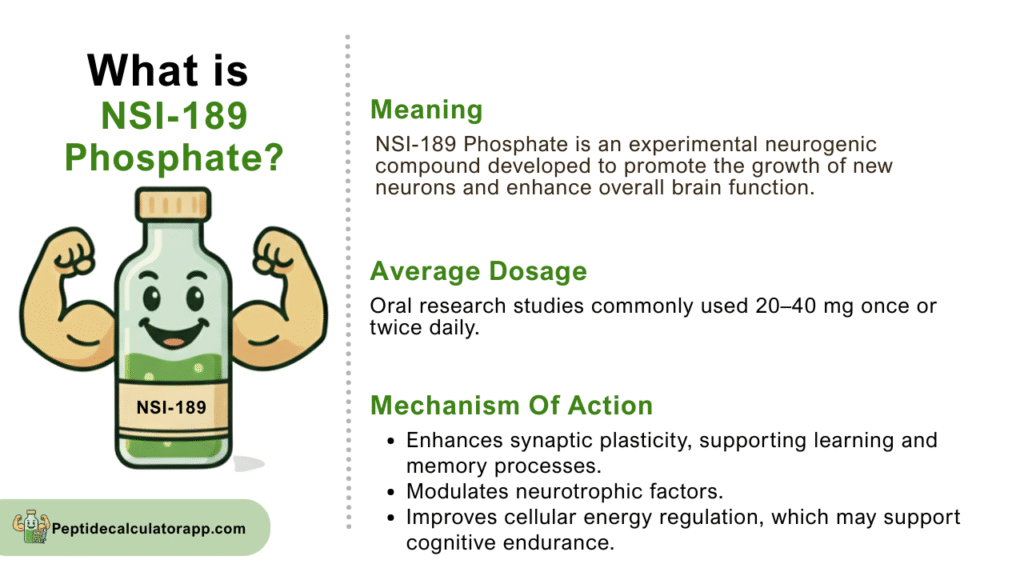
NSI-189 Phosphate operates through several distinct mechanisms that collectively promote neurogenesis and neuroprotection. The primary mechanism involves the stimulation of hippocampal neurogenesis, the process by which new neurons are generated in the dentate gyrus of the hippocampus. This occurs through the activation of neural stem cells and the promotion of their differentiation into mature, functional neurons.
The compound enhances the expression of brain-derived neurotrophic factor (BDNF), a critical protein that supports neuron survival and growth. Additionally, it modulates the phosphoinositide 3-kinase (PI3K)/Akt pathway, which plays a vital role in cell survival and proliferation. NSI-189 Phosphate also influences the Wnt signaling pathway, further supporting neuronal development and synaptic plasticity.
Research indicates that the compound may increase hippocampal volume by up to 20% in some subjects, representing a significant structural change that correlates with improved cognitive function and mood regulation. This neurogenic effect is sustained over time, suggesting that NSI-189 Phosphate promotes lasting neuroplastic changes rather than temporary symptomatic relief.
Benefits of NSI-189 Phosphate
Improvement in Depressive Symptoms
NSI-189 Phosphate has demonstrated significant potential in alleviating depressive symptoms. Clinical studies report that some participants experience remission rates comparable to, or exceeding, those achieved with conventional antidepressants, offering hope for treatment-resistant depression cases.
Cognitive Enhancement
The compound supports improvements in memory consolidation, learning capacity, and overall cognitive flexibility. Similar to how therapeutic peptides like BPC-157 aid tissue regeneration, NSI-189 Phosphate promotes neural regeneration and repair, contributing to enhanced cognitive performance.
Neuroprotective Effects
NSI-189 Phosphate may help protect against age-related cognitive decline and has the potential to slow the progression of neurodegenerative diseases. Its neuroprotective properties make it a promising option for long-term brain health maintenance.
Stress Resilience and Emotional Regulation
Users may experience enhanced stress resilience and better emotional regulation. The compound also shows potential for treating post-traumatic stress disorder (PTSD) and other anxiety-related conditions, expanding its therapeutic applications beyond conventional depression treatment.
Dosage and Administration
NSI-189 Phosphate dosing protocols vary significantly based on the intended application and individual response patterns. Research studies have typically employed doses ranging from 40mg to 80mg daily, administered orally in divided doses. The most common protocol involves 40mg taken twice daily with meals to enhance absorption and minimize potential gastrointestinal effects.
For cognitive enhancement purposes, many users start with lower doses of 20-40mg daily to assess tolerance and response. The compound exhibits a relatively long half-life, allowing for once or twice-daily administration. Some protocols suggest cycling the compound, with periods of use followed by breaks to maintain sensitivity and prevent potential tolerance development.
Clinical trials have explored both acute and chronic dosing regimens. Short-term studies typically run 4-12 weeks, while longer investigations have examined effects over 6-12 months. The neurogenic effects appear to be dose-dependent up to a certain threshold, beyond which additional benefits plateau.
It’s crucial to note that NSI-189 Phosphate is currently classified as a research compound and is not approved by regulatory agencies for therapeutic use. Any consideration of its use should involve consultation with qualified healthcare professionals familiar with experimental nootropics.
Storage and Stability
Proper storage of NSI-189 Phosphate is essential for maintaining its potency and stability. The phosphate salt form offers improved stability compared to the free base, but careful handling remains important. The compound should be stored in a cool, dry environment away from direct sunlight and moisture.
Optimal storage temperatures range from 2-8°C (36-46°F), though room temperature storage for short periods is generally acceptable. The compound should be kept in airtight containers with desiccant packets to prevent moisture absorption, which can lead to degradation and reduced efficacy.
When properly stored, NSI-189 Phosphate maintains stability for extended periods. However, solutions prepared from powder should be used promptly or stored under refrigeration for no more than a few days. Freezing is not recommended as freeze-thaw cycles can potentially damage the compound’s structure.
Potential Side Effects
Common Mild Effects
NSI-189 Phosphate is generally well-tolerated, but some users may experience mild side effects, especially during the initial phase of use or at higher doses. Headaches are among the most commonly reported reactions and typically diminish as the body adjusts to the compound.
Gastrointestinal Discomfort
Some individuals may experience mild gastrointestinal symptoms, including nausea or stomach discomfort. These effects are often more pronounced when the compound is taken on an empty stomach. Taking NSI-189 Phosphate with food and maintaining proper hydration can help reduce these symptoms.
Potential Drug Interactions
Because NSI-189 Phosphate influences pathways related to mood and cognition, it may interact with medications that affect neurotransmitter systems. Individuals currently taking antidepressants or those with pre-existing psychiatric conditions should approach use with caution and consult a healthcare professional beforehand.
Long-Term Safety Considerations
Although NSI-189 Phosphate shows promising therapeutic potential, long-term safety data is still limited due to its relatively recent development. While enhancing hippocampal neurogenesis is generally viewed as beneficial, the long-term implications of sustained stimulation remain under investigation and warrant careful consideration in extended use.
FAQs
Q1. How long does it take to see effects from NSI-189 Phosphate?
Ans: Most users report initial effects within 1-3 weeks of consistent use, though optimal benefits may require 4-8 weeks as neurogenesis is a gradual process requiring time for new neurons to mature and integrate into existing neural networks.
Q2. Can NSI-189 Phosphate be combined with other nootropics or medications?
Ans: While some combinations may be possible, NSI-189 Phosphate’s unique mechanism of action requires careful consideration of potential interactions. Consultation with healthcare providers is essential before combining with other compounds, particularly psychiatric medications.
Q3. Is NSI-189 Phosphate legal and available for purchase?
Ans: NSI-189 Phosphate exists in a regulatory gray area, available as a research chemical but not approved for human consumption by major regulatory agencies. Its legal status varies by jurisdiction and intended use.
Q4. What makes NSI-189 Phosphate different from traditional antidepressants?
Ans: Unlike conventional antidepressants that modulate neurotransmitter levels, NSI-189 Phosphate promotes actual structural brain changes through neurogenesis, potentially offering more sustained and comprehensive therapeutic benefits.
Final Thoughts
NSI-189 Phosphate represents a paradigm shift in approaches to cognitive enhancement and depression treatment. Its unique ability to promote hippocampal neurogenesis offers unprecedented therapeutic potential for conditions involving neural degeneration or dysfunction. The compound’s research profile suggests significant promise for treating depression, enhancing cognition, and protecting against age-related neural decline.
However, the experimental nature of NSI-189 Phosphate necessitates careful consideration and professional guidance. While clinical studies demonstrate encouraging safety and efficacy profiles, long-term effects and optimal protocols require further investigation. The compound’s revolutionary mechanism of action makes it an exciting development in neuroscience and therapeutics, potentially offering new hope for millions suffering from depression and cognitive decline.
As research continues, NSI-189 Phosphate may establish itself as a cornerstone therapy for neuroplasticity enhancement and neural regeneration. Its development represents the culmination of decades of neurogenesis research and offers a glimpse into the future of precision neuropharmacology.