
Methylene Blue, chemically known as methylthioninium chloride, is a phenothiazine derivative that appears as a dark blue crystalline solid. This synthetic compound was first synthesized in 1876 by German chemist Heinrich Caro and has since become one of the most studied and utilized therapeutic agents in modern medicine.
The compound is characterized by its distinctive blue color and its ability to act as both an electron donor and acceptor, making it highly effective in various biological processes. Methylene Blue is officially recognized by the World Health Organization as an essential medicine and has been approved by the FDA for specific medical applications, including the treatment of methemoglobinemia and as an antimalarial agent.
How Methylene Blue Works?
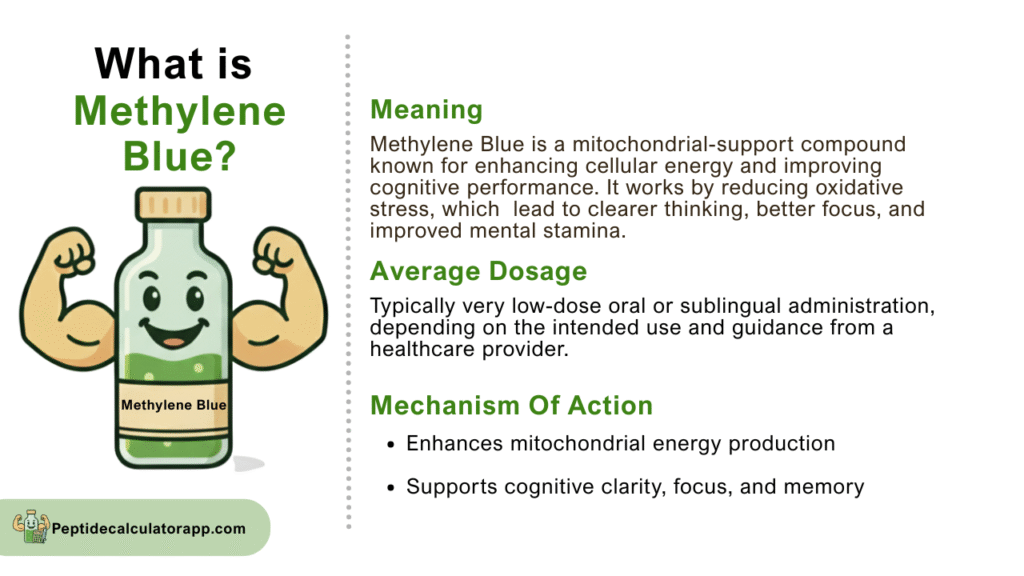
Methylene Blue operates through multiple mechanisms of action, making it a unique therapeutic compound with diverse applications. Its primary mechanism involves the modulation of cellular energy production within mitochondria, the powerhouses of cells.
At the cellular level, Methylene Blue acts as an alternative electron carrier in the mitochondrial electron transport chain. When cellular respiration is compromised, Methylene Blue can bypass damaged components of the electron transport system, allowing continued ATP production. This mechanism is particularly beneficial in conditions where mitochondrial function is impaired.
The compound also demonstrates potent antimicrobial properties through its ability to generate reactive oxygen species when exposed to light, a process known as photodynamic therapy. Additionally, Methylene Blue can interact with nucleic acids and proteins, disrupting essential cellular processes in pathogens while remaining relatively safe for human cells at therapeutic doses.
Another crucial mechanism involves its role as a monoamine oxidase inhibitor, which can affect neurotransmitter levels in the brain, potentially contributing to its cognitive-enhancing effects. Similar to how peptides like BPC-157 work at the cellular level to promote healing, Methylene Blue operates through multiple pathways to provide therapeutic benefits.
Benefits of Methylene Blue
Treatment of Methemoglobinemia
Methylene Blue is best known for its effectiveness in treating methemoglobinemia, a condition in which hemoglobin is unable to carry oxygen efficiently. By converting methemoglobin back to its functional form, it rapidly restores normal oxygen transport and alleviates associated symptoms.
Cognitive Enhancement
Research indicates that Methylene Blue may enhance memory, improve learning capacity, and help slow age-related cognitive decline. These benefits are linked to its ability to support mitochondrial energy production within brain cells and its influence on key neurotransmitter pathways.
Antimicrobial Activity
The compound exhibits strong antimicrobial properties, making it effective against a variety of pathogens including bacteria, viruses, and parasites. Its broad-spectrum action has supported its use in treating malaria and certain infections, especially in environments where medical resources are limited.
Neuroprotection
Methylene Blue has demonstrated neuroprotective effects that may benefit individuals at risk of neurodegenerative diseases such as Alzheimer’s and Parkinson’s. By reducing oxidative stress and enhancing mitochondrial function, it helps safeguard neuronal health and may contribute to long-term brain protection.
Dosage and Administration
The dosage of Methylene Blue varies significantly depending on the intended use and the specific condition being treated. For methemoglobinemia treatment, the standard dose is typically 1-2 mg/kg administered intravenously, which can be repeated if necessary.
For cognitive enhancement purposes, much lower doses are used, typically ranging from 0.5 to 4 mg per kilogram of body weight, administered orally. Some studies have used doses as low as 280 mg total dose for cognitive benefits, while others have explored higher ranges up to 4 mg/kg.
When using Methylene Blue for antimicrobial purposes, dosing protocols vary based on the specific pathogen and severity of infection. For malaria treatment, doses typically range from 2-8 mg/kg, often administered in combination with other antimalarial agents.
It’s crucial to note that Methylene Blue should only be administered under medical supervision, as improper dosing can lead to serious side effects. The compound has a narrow therapeutic window, and doses that are too high can cause toxicity.
Storage and Stability
Proper storage of Methylene Blue is essential to maintain its potency and safety. The compound should be stored in a cool, dry place away from direct light, as exposure to light can affect its stability and potentially reduce its therapeutic effectiveness.
Methylene Blue solutions are generally stable when stored at room temperature in dark containers, but long-term storage is best achieved under refrigeration at 2-8°C. The compound is sensitive to pH changes, and solutions should be prepared and stored at appropriate pH levels to maintain stability.
When prepared as injectable solutions, Methylene Blue should be used within the timeframe specified by the manufacturer or pharmacy. Oral formulations typically have longer shelf lives but should still be stored according to manufacturer recommendations.
It’s important to check for any color changes, precipitation, or crystallization before use, as these may indicate degradation or contamination. Expired or improperly stored Methylene Blue should never be used, as it may be ineffective or potentially harmful.
Potential Side Effects
Gastrointestinal Discomfort
Some individuals may experience nausea, vomiting, or abdominal discomfort, particularly at higher doses. These effects are usually mild and resolve once the dosage is reduced or treatment is stopped.
Headache and Dizziness
Methylene Blue can occasionally cause headaches, lightheadedness, or dizziness. These reactions are typically dose-dependent and may lessen as the body adapts.
Serotonin Syndrome Risk
One of the more serious potential risks is serotonin syndrome, especially when Methylene Blue is combined with SSRIs, SNRIs, or other serotonergic medications. Careful medical oversight is essential to avoid this interaction.
Discoloration Effects
Temporary blue or green discoloration of urine, sweat, or stool is common due to the dye’s nature. Skin or mucous membranes may also appear slightly tinted with higher doses.
FAQs
Q1: Is Methylene Blue safe for long-term use?
Ans: Long-term safety data for Methylene Blue is limited, and extended use should only be considered under medical supervision. While short-term use appears relatively safe in healthy individuals, the long-term effects require further research.
Q2. Can Methylene Blue be taken with other supplements?
Ans: Methylene Blue can interact with various substances, particularly those affecting serotonin levels. Always consult with a healthcare provider before combining it with other supplements or medications.
Q3. How quickly does Methylene Blue work?
Ans: The onset of action varies depending on the intended use. For methemoglobinemia treatment, effects can be seen within minutes to hours. For cognitive effects, benefits may be noticed within hours of administration.
Q4. Is prescription required for Methylene Blue?
Ans: In most jurisdictions, Methylene Blue requires a prescription for medical use. The availability and regulations vary by country and intended application.
Q5. Can Methylene Blue cause permanent blue discoloration?
Ans: The blue discoloration of urine and sometimes skin is temporary and typically resolves within 1-2 days after discontinuation. Permanent discoloration is extremely rare with therapeutic doses.
Final Thoughts
Methylene Blue represents a unique therapeutic compound with diverse applications ranging from life-saving medical treatments to cognitive enhancement. Its multiple mechanisms of action and broad therapeutic potential make it an invaluable tool in modern medicine.
While the compound shows significant promise, it’s essential to approach its use with appropriate caution and medical supervision. The growing body of research continues to unveil new therapeutic possibilities, but proper dosing, monitoring, and patient selection remain crucial for safe and effective use.
As research progresses, Methylene Blue may find expanded applications in treating various conditions, potentially revolutionizing approaches to cognitive enhancement, infectious diseases, and neurodegenerative disorders. However, until more comprehensive long-term safety data becomes available, its use should remain within established medical guidelines and protocols.