
Kisspeptin-10 is a truncated form of the kisspeptin peptide family, consisting of 10 amino acids derived from the larger 54-amino acid kisspeptin protein. Originally discovered in 1996, kisspeptin was initially studied for its anti-metastatic properties in cancer research. However, subsequent research revealed its pivotal role in reproductive endocrinology.
This peptide is produced primarily in the hypothalamus and acts as a key regulator of the hypothalamic-pituitary-gonadal (HPG) axis. Kisspeptin-10 binds to the GPR54 receptor, also known as KISS1R, which is expressed in various tissues throughout the body, including the brain, reproductive organs, and peripheral tissues.
The peptide exists in several forms, with kisspeptin-10, kisspeptin-13, and kisspeptin-54 being the most studied variants. Among these, kisspeptin-10 has shown remarkable stability and bioactivity, making it an attractive candidate for therapeutic applications.
How Kisspeptin-10 Works?
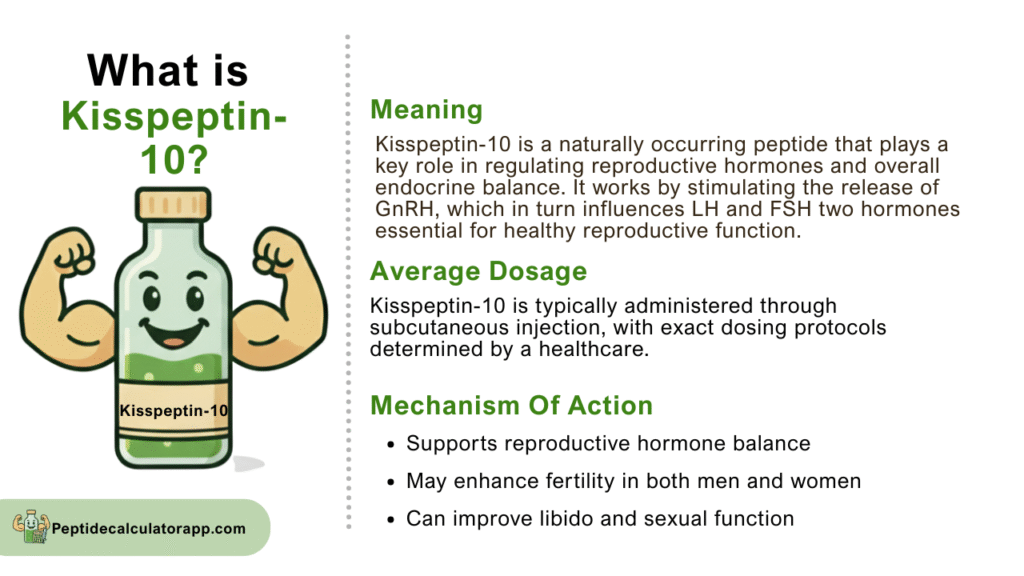
Kisspeptin-10 operates through a sophisticated mechanism that involves multiple physiological pathways. When administered, the peptide binds to the KISS1R receptor, which is a G-protein coupled receptor found predominantly in gonadotropin-releasing hormone (GnRH) neurons in the hypothalamus.
Upon binding, kisspeptin-10 activates these GnRH neurons, leading to the release of GnRH into the hypothalamic-hypophyseal portal system. This cascade triggers the anterior pituitary gland to secrete luteinizing hormone (LH) and follicle-stimulating hormone (FSH), which are essential for reproductive function.
The peptide’s mechanism extends beyond simple hormonal stimulation. It influences the pulsatile release of GnRH, which is crucial for maintaining proper reproductive function. This pulsatile pattern is essential because continuous GnRH stimulation can actually suppress the reproductive axis, while appropriate pulsatile release maintains healthy hormonal cycles.
Additionally, kisspeptin-10 affects metabolic processes and energy homeostasis. Research indicates that it can influence glucose metabolism, insulin sensitivity, and body weight regulation, suggesting its role extends beyond reproductive health into broader metabolic functions.
Benefits of Kisspeptin-10
Support for Male Hormonal Health
For men, kisspeptin-10 has demonstrated potential in treating hypogonadotropic hypogonadism—a condition characterized by low testosterone levels caused by insufficient LH and FSH production. By triggering the hypothalamic–pituitary–gonadal axis, the peptide may help restore natural testosterone production and improve reproductive function.
Improved Metabolic Health
Research indicates that kisspeptin-10 may positively influence metabolic regulation. Studies suggest improvements in insulin sensitivity and glucose metabolism, making it a promising candidate for supporting individuals with metabolic syndrome or type 2 diabetes. Its metabolic benefits add to its value as a multi-system regulatory peptide.
Support for Age-Related Hormonal Decline
Natural kisspeptin levels decrease with age, contributing to reduced reproductive function and metabolic changes. Supplementing with kisspeptin-10 may help counteract these effects by restoring hormonal signaling pathways that decline over time.
Dosage and Administration
Kisspeptin-10 dosage varies significantly based on the intended therapeutic application and individual patient factors. In clinical research settings, doses have ranged from 0.01 to 10 nmol/kg body weight, administered via subcutaneous or intravenous injection.
For reproductive health applications, typical dosing protocols involve subcutaneous administration of 6.4-12.8 nmol/kg twice daily. However, some studies have used single higher doses or different timing schedules depending on the specific condition being treated.
The peptide is typically administered as a reconstituted solution, prepared from lyophilized powder. Proper reconstitution with bacteriostatic water or sterile saline is essential for maintaining peptide stability and bioactivity.
Treatment duration varies considerably based on therapeutic goals. Some applications may require short-term administration over days or weeks, while others might involve longer treatment periods. Continuous monitoring by healthcare professionals is essential to assess response and adjust dosing as needed.
It’s crucial to note that kisspeptin-10 should only be used under medical supervision, as improper dosing can lead to hormonal imbalances or other adverse effects. Individual factors such as age, weight, hormonal status, and underlying health conditions all influence optimal dosing strategies.
Storage and Stability
Proper storage of kisspeptin-10 is critical for maintaining its therapeutic effectiveness. In its lyophilized form, the peptide should be stored at -20°C or colder, protected from light and moisture. Under these conditions, it can remain stable for up to two years.
Once reconstituted, kisspeptin-10 has limited stability and should be stored in a refrigerator at 2-8°C. The reconstituted solution typically remains stable for 4-7 days when stored properly, though this can vary depending on the reconstitution medium and storage conditions.
For optimal stability of the reconstituted solution, it should be stored in sterile vials, protected from light, and used within the recommended timeframe. Freezing the reconstituted solution is generally not recommended as it can damage the peptide structure.
When handling kisspeptin-10, proper aseptic technique is essential to prevent contamination. The peptide should be allowed to reach room temperature before reconstitution, and gentle mixing should be used to avoid damaging the peptide bonds.
Potential Side Effects
General Tolerability
Kisspeptin-10 is generally well-tolerated, with most reported side effects being mild and temporary. Clinical studies indicate that the peptide rarely causes severe adverse reactions, making it a relatively safe option when used under appropriate supervision.
Injection Site Reactions
The most common side effects occur at the injection site. These may include mild redness, swelling, or slight discomfort shortly after administration. Such reactions are typically short-lived and resolve without intervention.
Headaches and Gastrointestinal Effects
Some individuals may experience headaches during the early phase of treatment. These headaches are usually mild and tend to subside as the body adapts. In a smaller number of cases, users have reported nausea or mild gastrointestinal discomfort, which also tends to be temporary.
Reproductive and Hormonal Effects
Because kisspeptin-10 directly influences the reproductive hormone pathway, some users may notice changes related to hormonal activity. Women may experience alterations in menstrual patterns, while both men and women may notice shifts in libido. These effects are generally considered part of the peptide’s expected biological action rather than adverse reactions.
FAQs
Q1. How long does it take to see results from kisspeptin-10?
Ans: Results can vary depending on the condition being treated and individual factors. For reproductive applications, some effects may be observed within days to weeks, while full therapeutic benefits may take several weeks to months of consistent treatment.
Q2. Can kisspeptin-10 be used with other medications?
Ans: Kisspeptin-10 may interact with certain medications, particularly those affecting hormonal systems. It’s essential to inform your healthcare provider about all medications and supplements you’re taking before starting kisspeptin-10 therapy.
Q3. Is kisspeptin-10 safe for long-term use?
Ans: Long-term safety data for kisspeptin-10 is still being studied. Current research suggests it is generally well-tolerated, but long-term effects require further investigation. Regular monitoring by healthcare professionals is recommended for extended treatment periods.
Q4. How does kisspeptin-10 compare to traditional hormone therapies?
Ans: Kisspeptin-10 offers a more targeted approach by stimulating the body’s natural hormone production rather than directly replacing hormones. This may result in fewer side effects and more physiological hormone patterns compared to traditional hormone replacement therapy.
Final Thoughts
Kisspeptin-10 represents a promising advancement in peptide therapy, offering targeted treatment options for reproductive health and potentially broader metabolic benefits. Its ability to stimulate the body’s natural hormonal pathways makes it an attractive alternative to traditional hormone replacement therapies.
As research continues to unfold, the full therapeutic potential of kisspeptin-10 is still being discovered. Current evidence supports its use in specific reproductive conditions, and emerging research suggests broader applications in metabolic health and aging-related hormonal decline.
For individuals considering kisspeptin-10 therapy, working with qualified healthcare providers experienced in peptide medicine is essential. Proper evaluation, monitoring, and dosing protocols are crucial for achieving optimal results while minimizing potential risks.
The future of kisspeptin-10 research looks promising, with ongoing studies exploring new applications and optimization of treatment protocols. As our understanding of this peptide deepens, it may become an increasingly important tool in personalized medicine approaches to hormonal health.