
IGF-1 LR3, also known as Long R3 IGF-1, is a synthetic analog of human Insulin-like Growth Factor-1 (IGF-1). This peptide consists of 83 amino acids and represents a modified version of the naturally occurring IGF-1 hormone. The “LR3” designation refers to the specific modifications made to the original IGF-1 structure, including the substitution of arginine for glutamic acid at position 3 and the addition of 13 amino acids at the N-terminus.
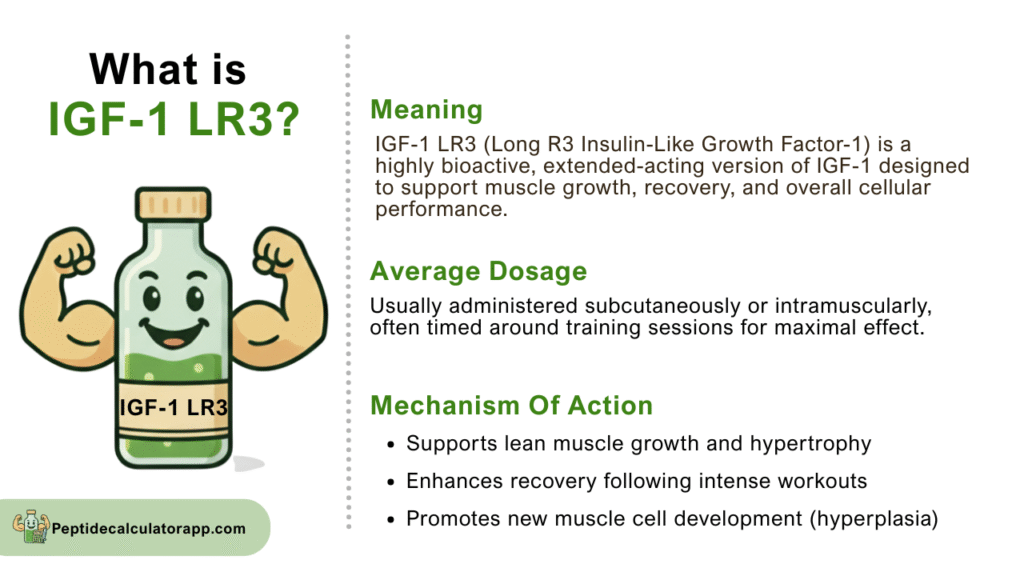
These structural modifications significantly enhance the peptide’s stability and bioavailability compared to native IGF-1. The extended half-life of IGF-1 LR3 allows it to remain active in the body for considerably longer periods, making it more practical for research and therapeutic applications. Unlike regular IGF-1, which has a half-life of only 10-20 minutes, IGF-1 LR3 can remain active for 20-30 hours.
The peptide was originally developed for research purposes to better understand growth factor mechanisms and their potential therapeutic applications. Its unique properties have made it a subject of extensive scientific investigation, particularly in areas related to muscle growth, tissue repair, and metabolic function.
How IGF-1 LR3 Works?
IGF-1 LR3 exerts its effects through binding to IGF-1 receptors found throughout the body, particularly in muscle tissue, bone, and various organ systems. Upon binding, it activates the IGF-1 receptor, triggering a cascade of intracellular signaling pathways that promote cellular growth, differentiation, and survival.
The primary signaling pathway activated by IGF-1 LR3 is the PI3K/Akt pathway, which plays a crucial role in protein synthesis, glucose uptake, and cellular survival. This activation leads to increased protein synthesis within muscle cells, enhanced glucose uptake, and improved cellular repair mechanisms. The peptide also activates the MAPK pathway, which contributes to cellular proliferation and differentiation.
One of the key advantages of IGF-1 LR3 over native IGF-1 is its reduced binding affinity to IGF-binding proteins (IGFBPs). These binding proteins normally sequester IGF-1 and limit its bioavailability. By having lower affinity for IGFBPs, IGF-1 LR3 remains free and active in the circulation for extended periods, allowing for more sustained biological effects.
The peptide also demonstrates autocrine and paracrine effects, meaning it can act both on the cells that produce it and on nearby cells. This localized action contributes to its effectiveness in promoting tissue-specific growth and repair processes.
Benefits of IGF-1 LR3
Recovery and Tissue Repair
Another major benefit identified in research is improved recovery. IGF-1 LR3 has shown the potential to accelerate tissue repair processes, making it particularly valuable for individuals undergoing intense physical training or recovering from muscle or connective tissue injuries.
Metabolic Support
Studies also highlight metabolic improvements associated with IGF-1 LR3, including enhanced glucose uptake and utilization. This increased insulin sensitivity can lead to better nutrient partitioning, supporting improved body composition and performance outcomes.
Neurological and Cognitive Potential
Preliminary research suggests that IGF-1 LR3 may support neuronal growth and survival. These neuroprotective effects could have implications for cognitive function and long-term brain health, although further studies are needed to fully validate these findings.
Dosage and Administration
Research protocols for IGF-1 LR3 typically involve subcutaneous injection, as this route of administration provides optimal bioavailability and sustained release. The peptide is usually reconstituted with bacteriostatic water or sterile saline before administration, following strict sterile procedures to maintain product integrity.
Dosing protocols in research settings commonly range from 20-100 micrograms per day, though the optimal dose can vary based on individual factors such as body weight, research objectives, and response patterns. Many research protocols implement cycling approaches, with periods of administration followed by rest periods to maintain sensitivity and prevent potential desensitization.
Timing of administration is often considered important, with many researchers preferring post-workout administration to potentially maximize the anabolic response. Some protocols split the daily dose into multiple smaller injections to maintain more stable blood levels throughout the day.
It’s crucial to note that proper reconstitution and administration techniques are essential for maintaining the peptide’s stability and effectiveness. Research protocols emphasize the importance of using appropriate injection sites and rotating injection locations to prevent tissue irritation or complications.
Storage and Stability
Proper storage of IGF-1 LR3 is critical for maintaining its potency and effectiveness. In its lyophilized (freeze-dried) form, the peptide should be stored in a refrigerator at temperatures between 2-8°C (36-46°F). Under these conditions, unreconstituted IGF-1 LR3 can maintain its stability for extended periods, typically 2-3 years when stored properly.
Once reconstituted with bacteriostatic water or sterile saline, the peptide’s stability becomes more limited. Reconstituted IGF-1 LR3 should be stored in the refrigerator and used within 30 days for optimal potency. Some research suggests that the reconstituted peptide may maintain acceptable potency for up to 45 days when stored properly, but shorter storage periods are generally recommended.
Protection from light is important, as exposure to UV radiation can degrade the peptide structure. Storage vials should be kept in their original packaging or in a dark environment to prevent photodegradation. Temperature fluctuations should be minimized, and the peptide should never be frozen once reconstituted, as this can cause structural damage.
Proper handling techniques are essential throughout the storage period. This includes using sterile techniques when drawing doses, avoiding contamination of the vial, and ensuring that injection equipment is always sterile and appropriate for peptide administration.
Potential Side Effects
Hypoglycemia
One of the most significant potential side effects of IGF-1 LR3 is hypoglycemia. Because the peptide enhances glucose uptake into muscle cells, blood sugar levels may drop more quickly than usual. This can lead to symptoms such as shakiness, dizziness, sweating, or lightheadedness. Monitoring blood sugar levels and recognizing early signs of hypoglycemia is important for safe use.
Injection Site Reactions
Injection site reactions are common and typically mild. These may include redness, slight swelling, or irritation at the area of administration. Such effects usually resolve quickly, and proper injection technique—along with rotating injection sites—can help minimize these reactions.
Joint Pain or Stiffness
Some individuals report joint discomfort or stiffness while using IGF-1 LR3. This may be related to the compound’s influence on connective tissue metabolism. While these symptoms are generally mild, they should be monitored, especially if they persist.
Headaches and Fatigue
Headaches and general fatigue are occasionally reported, particularly during the initial phase of use. These side effects often diminish as the body adjusts to the peptide. However, persistent or worsening symptoms should be evaluated to ensure they are not indicative of an underlying issue.
FAQs
Q1. How long does IGF-1 LR3 remain active in the body?
Ans: IGF-1 LR3 has a significantly longer half-life compared to native IGF-1, remaining active for approximately 20-30 hours compared to the 10-20 minutes of regular IGF-1. This extended duration makes it more practical for research applications and reduces the frequency of administration required.
Q2. Can IGF-1 LR3 be taken orally?
Ans: No, IGF-1 LR3 cannot be taken orally as it would be broken down by digestive enzymes before reaching the bloodstream. The peptide must be administered via injection, typically subcutaneously, to maintain its structural integrity and biological activity.
Q3. What is the difference between IGF-1 LR3 and regular IGF-1?
Ans: IGF-1 LR3 is a modified version of IGF-1 with structural changes that increase its stability and reduce its binding to IGF-binding proteins. This results in longer activity duration and improved bioavailability compared to native IGF-1.
Q4. How should IGF-1 LR3 be stored after reconstitution?
Ans: After reconstitution, IGF-1 LR3 should be stored in the refrigerator at 2-8°C and used within 30 days for optimal potency. The peptide should be protected from light and never frozen once reconstituted.
Q5. Are there any contraindications for IGF-1 LR3 use?
Ans: Individuals with diabetes, glucose metabolism disorders, or cancer history should exercise particular caution with IGF-1 LR3. Anyone considering its use should consult with healthcare professionals to assess potential risks and contraindications.
Final Thoughts
IGF-1 LR3 represents a fascinating advancement in peptide research, offering unique properties that distinguish it from native IGF-1. Its extended half-life, improved bioavailability, and demonstrated effects on muscle development and recovery make it an intriguing subject for scientific investigation.
The research surrounding IGF-1 LR3 continues to evolve, with ongoing studies exploring its potential applications across various physiological systems. From muscle development and recovery enhancement to metabolic benefits and aging-related applications, the peptide shows promise in multiple areas of health and performance optimization.
However, it’s crucial to approach IGF-1 LR3 with appropriate caution and respect for its potent biological effects. Proper storage, handling, and administration techniques are essential for safety and effectiveness. Additionally, potential side effects and contraindications must be carefully considered before any use.
As with any research compound, consultation with qualified healthcare professionals is essential for anyone considering IGF-1 LR3. The peptide’s powerful effects on cellular growth and metabolism require careful monitoring and appropriate oversight to ensure safe and effective use.
The future of IGF-1 LR3 research looks promising, with continued investigation likely to reveal new insights into its mechanisms of action and potential therapeutic applications. As our understanding of this peptide deepens, it may play an increasingly important role in various aspects of health optimization and therapeutic intervention.