
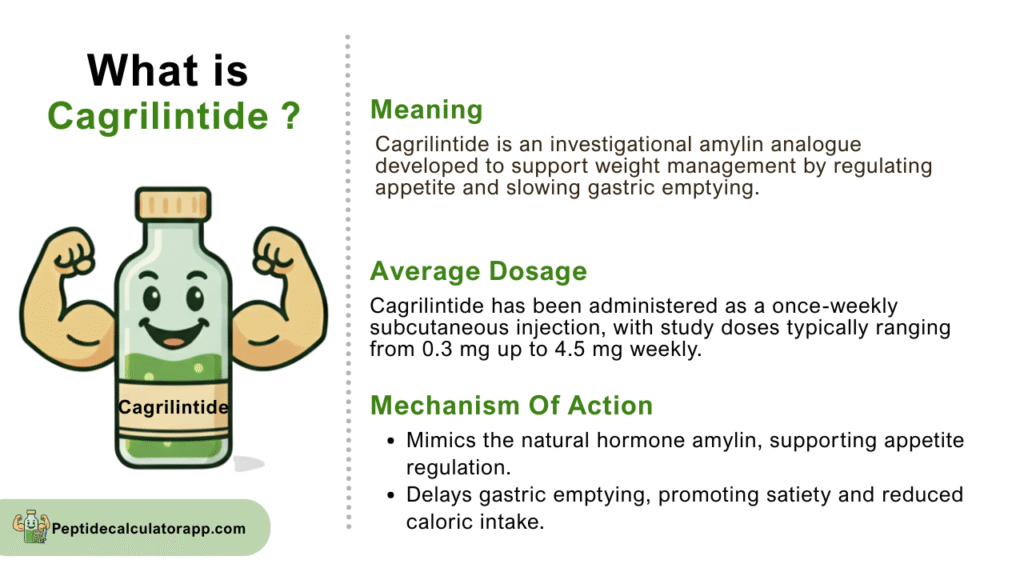
Cagrilintide is a synthetic peptide analog that functions as a dual agonist, targeting both amylin and calcitonin receptors in the human body. Developed as part of next-generation metabolic therapies, this medication belongs to a class of drugs designed to address multiple pathways involved in glucose homeostasis and energy balance. The peptide structure of Cagrilintide allows it to interact with specific receptor sites that regulate hunger, satiety, and glucose metabolism.
Originally developed by Novo Nordisk, Cagrilintide has undergone extensive clinical trials to evaluate its safety and efficacy profile. The compound represents a significant evolution from earlier peptide-based therapies, offering enhanced stability and improved therapeutic outcomes. Its unique molecular structure enables prolonged action while maintaining excellent bioavailability when administered subcutaneously.
How Cagrilintide Works?
Cagrilintide operates through a sophisticated dual-receptor activation system that simultaneously targets amylin and calcitonin receptors. When amylin receptors are activated, the peptide slows gastric emptying, which helps regulate the rate at which nutrients enter the small intestine. This mechanism contributes to improved postprandial glucose control and enhanced satiety signals to the brain.
The calcitonin receptor activation component provides additional metabolic benefits by influencing energy expenditure and potentially affecting bone metabolism. This dual-action approach distinguishes Cagrilintide from single-target therapies, offering a more comprehensive approach to metabolic regulation. The peptide also appears to modulate hypothalamic appetite centers, leading to reduced food intake and improved weight management outcomes.
At the cellular level, Cagrilintide binding triggers intracellular signaling cascades that involve cyclic adenosine monophosphate (cAMP) pathways. These signaling events ultimately result in decreased glucagon secretion, enhanced insulin sensitivity, and modified neural appetite regulation. The peptide’s prolonged half-life ensures sustained therapeutic effects throughout the dosing interval.
Benefits of Cagrilintide
Significant Weight Reduction
One of the most well-documented benefits of Cagrilintide is its ability to produce substantial and sustained weight loss. Clinical trials show that most of the weight lost is fat mass—not muscle—making it particularly valuable for individuals seeking healthier body composition and long-term weight control.
Improved Glucose Regulation
Cagrilintide has been shown to enhance glucose control by reducing both fasting and post-meal blood glucose levels. This effect is especially beneficial for individuals with type 2 diabetes, as the peptide improves insulin sensitivity without increasing the risk of hypoglycemia. By supporting healthier glucose metabolism, it helps promote long-term metabolic stability.
Cardiovascular Health Support
Research indicates that Cagrilintide may positively influence cardiovascular risk factors. Improvements in blood pressure, lipid profiles, and overall cardiovascular markers have been observed, making it a potentially valuable therapy for individuals with metabolic syndrome or elevated cardiovascular risk.
Potential Liver Health Benefits
Early evidence suggests that Cagrilintide may reduce liver fat accumulation, offering potential therapeutic benefits for individuals with non-alcoholic fatty liver disease (NAFLD). This makes it a promising candidate for comprehensive metabolic improvement.
Dosage and Administration
Cagrilintide is administered via subcutaneous injection, typically in the abdomen, thigh, or upper arm. The standard dosing regimen begins with a low initial dose to minimize gastrointestinal side effects, followed by gradual dose escalation over several weeks. Most patients achieve optimal therapeutic effects with once-weekly dosing, though some protocols may require more frequent administration during the initial titration period.
The starting dose is usually 0.6 mg weekly, with increases to 1.2 mg and potentially up to 2.4 mg based on individual tolerance and therapeutic response. Healthcare providers carefully monitor patients during dose escalation to ensure optimal benefit while minimizing adverse effects. Injection sites should be rotated regularly to prevent lipodystrophy and maintain consistent absorption.
Timing of administration can be flexible, though maintaining consistency helps optimize therapeutic outcomes. Patients should receive proper injection technique training and understand the importance of adhering to prescribed dosing schedules. Missed doses should be administered as soon as remembered, provided the next scheduled dose is not due within 48 hours.
Storage and Stability
Proper storage of Cagrilintide is crucial for maintaining peptide integrity and therapeutic efficacy. Unopened vials or pre-filled pens should be stored in refrigerated conditions between 36°F and 46°F (2°C to 8°C). The medication should never be frozen, as freezing can denature the peptide structure and render it ineffective.
Once in use, Cagrilintide may be stored at room temperature for up to 21 days, provided temperatures do not exceed 86°F (30°C). This allows for convenient travel and daily use without constant refrigeration. However, the medication should be protected from direct sunlight and extreme temperatures to maintain stability.
Before each injection, patients should inspect the solution for clarity and absence of particulate matter. Any discoloration, cloudiness, or visible particles indicate potential degradation, and such preparations should not be used. Proper disposal of used injection materials follows standard sharps disposal protocols to ensure safety and environmental protection.
Potential Side Effects
Gastrointestinal Effects
The most common side effects involve the gastrointestinal system. Users may experience nausea, vomiting, diarrhea, or a noticeable decrease in appetite. These symptoms are most pronounced during the first few weeks of treatment and typically improve over time as tolerance develops.
Injection Site Reactions
Some individuals may experience temporary redness, swelling, or mild discomfort at the injection site. These effects are usually short-lived and can be minimized with proper injection technique and regular rotation of injection sites.
Risk of Hypoglycemia
While Cagrilintide alone has a low risk of causing low blood sugar, severe hypoglycemia can occur when it is used alongside other glucose-lowering medications. Patients using combination therapies should be monitored carefully, especially during dose adjustments.
FAQs
Q1. How long does it take to see results with Cagrilintide?
Ans: Most patients begin experiencing appetite suppression and initial weight loss within the first few weeks of treatment. Significant weight reduction typically becomes apparent after 12-16 weeks of consistent use.
Q2. Can Cagrilintide be used with other diabetes medications?
Ans: Yes, Cagrilintide can often be combined with other diabetes medications, though dosage adjustments may be necessary to prevent hypoglycemia. Always consult with healthcare providers before making medication changes.
Q3. Is Cagrilintide covered by insurance?
Ans: Insurance coverage varies by provider and plan. Many insurance companies are beginning to recognize the clinical value of effective weight management medications, though prior authorization may be required.
Q4. What happens if I stop taking Cagrilintide?
Ans: Weight regain is possible after discontinuing treatment, similar to other weight management interventions. Maintaining lifestyle modifications helps preserve treatment benefits even after medication discontinuation.
Final Thoughts
Cagrilintide represents a significant advancement in peptide-based therapeutics for metabolic health and weight management. Its dual-action mechanism provides comprehensive benefits beyond simple weight reduction, offering hope for patients struggling with obesity and related metabolic complications. The extensive research supporting its safety and efficacy profile positions Cagrilintide as a valuable addition to current treatment options.
As with any medical intervention, success with Cagrilintide requires proper patient selection, appropriate dosing, and comprehensive support including lifestyle modifications. Healthcare providers play a crucial role in optimizing treatment outcomes through careful monitoring and patient education. The future of metabolic medicine continues to evolve, with Cagrilintide leading the way toward more effective and sustainable therapeutic solutions.