
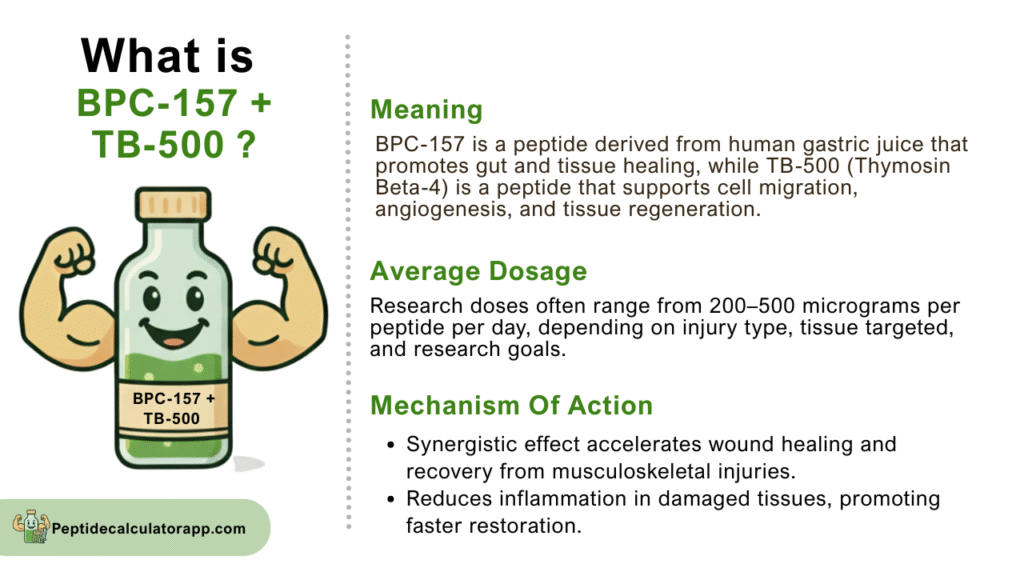
BPC-157 + TB-500 (blend) is a combination of two highly researched synthetic peptides that work together to promote healing and tissue regeneration. BPC-157, derived from body protection compound, is a pentadecapeptide consisting of 15 amino acids. TB-500, on the other hand, is a synthetic version of Thymosin Beta-4, a naturally occurring peptide that plays crucial roles in cellular migration, angiogenesis, and wound healing.
When combined, these peptides create a synergistic effect that enhances their individual healing properties. The blend is designed to maximize therapeutic benefits while potentially reducing the required dosage of each individual peptide. This combination has shown remarkable potential in accelerating recovery from injuries, reducing inflammation, and promoting overall tissue health.
The BPC-157 + TB-500 blend is typically administered via subcutaneous injection, though other delivery methods are being explored. This combination has become increasingly popular among athletes, individuals recovering from injuries, and those seeking to optimize their body’s natural healing processes.
How BPC-157 + TB-500 Works?
The BPC-157 + TB-500 blend operates through multiple complementary mechanisms that enhance the body’s natural healing processes. BPC-157 primarily works by promoting angiogenesis, the formation of new blood vessels, which is essential for delivering nutrients and oxygen to damaged tissues. It also modulates various growth factors and cytokines involved in the healing cascade.
TB-500 contributes to the blend’s effectiveness through its ability to promote cell migration and differentiation. It binds to actin, a protein crucial for cell structure and movement, facilitating the migration of endothelial cells, keratinocytes, and other cell types essential for tissue repair. This peptide also promotes the formation of new blood vessels and helps regulate inflammatory responses.
Together, these peptides create a comprehensive healing environment by enhancing blood flow, reducing inflammation, promoting cell proliferation, and facilitating tissue remodeling. The combination also appears to have neuroprotective properties and may help in the repair of various tissue types, including muscle, tendon, ligament, and even neural tissue.
The synergistic effect of this blend means that the combined action is greater than the sum of its individual parts, potentially leading to faster and more complete healing outcomes compared to using either peptide alone.
Benefits of BPC-157 + TB-500 (blend)
Accelerated Wound Healing
The BPC-157 + TB-500 blend promotes faster wound closure and improves the quality of healed tissue. Research suggests that the combination enhances cellular migration and tissue repair, making it particularly beneficial for cuts, surgical wounds, and other injuries.
Enhanced Muscle Recovery
This peptide combination supports more efficient muscle protein synthesis and reduces recovery time between training sessions. Athletes and fitness enthusiasts may experience decreased muscle soreness and improved overall performance during intensive exercise periods.
Tendon and Ligament Repair
BPC-157 + TB-500 shows promise in healing tendons and ligaments, which are typically slow to recover due to limited blood supply. The blend promotes angiogenesis and strengthens connective tissue, aiding structural integrity and function.
Anti-Inflammatory Effects
The combination helps modulate inflammation, reducing excessive inflammatory responses while preserving necessary signals for healing. This balanced effect can lead to decreased pain, swelling, and improved tissue regeneration.
Neuroprotective Benefits
Preclinical studies indicate potential neuroprotective effects, suggesting the blend may help protect neural tissue from damage and support nerve regeneration. This may have applications in neurological recovery and cognitive support.
Dosage and Administration
The dosage and administration of BPC-157 + TB-500 blend require careful consideration and should ideally be supervised by a qualified healthcare professional. Typical dosing protocols vary based on individual needs, body weight, and specific therapeutic goals.
For BPC-157, common dosages range from 200-500 micrograms per day, while TB-500 is typically administered at 2-10 milligrams per week. When used in combination, these dosages may be adjusted to optimize the synergistic effects while minimizing potential side effects.
The blend is most commonly administered via subcutaneous injection, typically in the abdominal area or near the site of injury or concern. Injection sites should be rotated to prevent tissue irritation or lipodystrophy. Some practitioners recommend injecting closer to the area being treated for localized effects, though systemic circulation will distribute the peptides throughout the body.
Treatment cycles typically last 4-8 weeks, followed by a break period to allow the body to return to baseline. The frequency of administration can vary, with some protocols calling for daily injections while others use every other day or twice-weekly schedules.
It’s crucial to use sterile injection techniques and properly reconstituted peptides to ensure safety and efficacy. The timing of injections may also be important, with some evidence suggesting better results when administered on an empty stomach or before bedtime.
Storage and Stability
Proper storage and handling of BPC-157 + TB-500 blend are essential to maintain peptide stability and therapeutic effectiveness. Lyophilized (freeze-dried) peptides should be stored in a freezer at -20°C or colder until ready for reconstitution. At this temperature, the peptides can remain stable for extended periods, typically 2-3 years.
Once reconstituted with bacteriostatic water, the peptide solution should be stored in a refrigerator at 2-8°C. Under these conditions, the reconstituted blend typically remains stable for 2-4 weeks, though this can vary depending on the specific formulation and storage conditions.
It’s important to protect the peptides from light exposure, as UV radiation can degrade the peptide chains and reduce effectiveness. Using amber vials or storing in dark environments helps preserve peptide integrity.
Temperature fluctuations should be minimized, as repeated freeze-thaw cycles can damage the peptide structure. When transporting reconstituted peptides, insulated containers with ice packs should be used to maintain proper temperature.
The reconstituted solution should appear clear and colorless. Any cloudiness, precipitation, or color changes may indicate degradation or contamination, and such solutions should not be used.
Potential Side Effects
Common Mild Effects
BPC-157 + TB-500 is generally well-tolerated, with most users reporting only mild side effects. Commonly, injection site reactions such as redness, swelling, or minor discomfort may occur but typically resolve quickly.
Sleep and Energy Changes
Some individuals may notice slight changes in sleep patterns or energy levels during the initial phase of use. These effects are usually transient as the body adapts to the peptides’ regenerative activity.
Digestive or Nausea Effects
A small number of users report mild gastrointestinal disturbances, including nausea or stomach discomfort, particularly with higher doses or prolonged administration.
Precautions
Long-term safety data for the BPC-157 + TB-500 blend remains limited. Individuals with pre-existing medical conditions or those taking other medications should consult a healthcare provider before use. Careful monitoring is recommended to ensure safe and effective application of this peptide combination.
FAQs
Q1. How long does it take to see results from BPC-157 + TB-500 blend?
Ans: Results can vary significantly depending on the condition being treated and individual factors. Some users report improvements within days to weeks, while more significant healing may take several months of consistent use.
Q2. Can the blend be taken orally?
Ans: While BPC-157 has shown some oral bioavailability, TB-500 is typically broken down in the digestive system. Injection remains the most effective delivery method for the combination.
Q3. Is it safe to use the blend long-term?
Ans: Long-term safety data is limited, and most protocols recommend cycling the peptides with break periods. Extended use should be supervised by qualified healthcare professionals.
Q4. Can the blend be combined with other treatments?
Ans: The peptides may complement other healing therapies, but interactions should be discussed with healthcare providers to ensure safety and optimize outcomes.
Final Thoughts
The BPC-157 + TB-500 blend represents a promising advancement in peptide therapy for healing and regeneration. While individual results may vary, the combination offers a comprehensive approach to tissue repair that addresses multiple aspects of the healing process.
As with any therapeutic intervention, proper medical supervision and individualized treatment protocols are essential for optimal outcomes and safety. The growing body of research on these peptides continues to support their potential benefits, though more specific studies on the combination are needed.
For those considering this peptide blend, working with knowledgeable healthcare providers who understand peptide therapy can help ensure safe and effective treatment protocols tailored to individual needs and goals.