
BPC-157 is a synthetic peptide widely known for its powerful healing and protective properties. It has gained attention in the health and fitness community for its ability to support tissue repair, reduce inflammation, protect the gut, and potentially aid in neurological and cardiovascular health.
Although most research comes from animal and preclinical studies, the results so far are promising, making BPC-157 one of the most talked-about peptides for recovery and overall wellness.
Unlike its parent compound, BPC-157 remains stable in gastric acid and does not undergo degradation by digestive enzymes, making it highly bioavailable when administered orally or through injection.
What sets BPC-157 apart from other therapeutic peptides is its remarkable safety profile and broad spectrum of action. Studies have demonstrated that it can effectively promote healing in muscles, tendons, ligaments, bones, and even neural tissue.
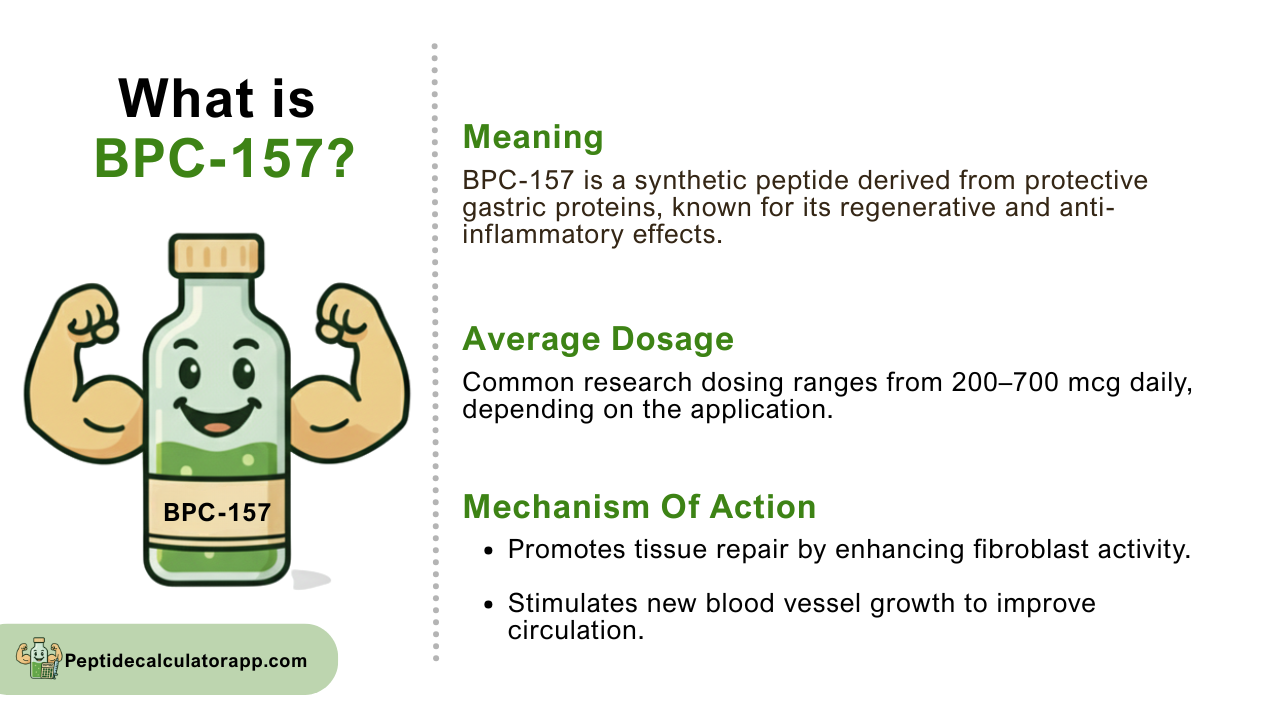
How BPC-157 Works?
The mechanism of action of BPC-157 involves multiple interconnected pathways that collectively contribute to its healing effects.
At the cellular level, this peptide influences several key processes including angiogenesis, cell migration, and tissue remodeling.
One of the primary mechanisms involves the modulation of growth factor expression, particularly vascular endothelial growth factor (VEGF), which plays a crucial role in blood vessel formation and tissue repair.
BPC-157 also interacts with the nitric oxide (NO) pathway, which is essential for proper blood flow and oxygen delivery to tissues. By enhancing NO production, the peptide promotes vasodilation and improves circulation to injured areas, facilitating faster healing.
Additionally, research has shown that BPC-157 can influence the expression of genes involved in collagen synthesis, a critical component of tissue repair and structural integrity.
Benefits of BPC-157
Faster Wound Healing & Tissue Repair
BPC-157 is best known for speeding up how quickly the body heals. Studies show it helps repair cuts, burns, and surgical wounds by boosting cell growth and improving blood flow to damaged areas. Whether applied on the skin or taken systemically, it supports quicker recovery and stronger tissue formatio
Tendon, Ligament & Muscle Recovery
This peptide is widely used for musculoskeletal injuries. Research by National library of Medicine suggests it helps tendons and ligaments regenerate faster, reduces inflammation, and restores movement more quickly than traditional care. Many athletes report shorter recovery windows and noticeable pain relief after strains, tears, or overuse injuries.
Gut Protection & Digestive Health
BPC-157 has strong protective effects on the digestive system. It supports healing for Gastric ulcers, Inflammatory bowel issues and Damage from medications (NSAIDs, alcohol, etc.) It helps maintain the stomach and intestinal lining, reduces inflammation, and encourages faster repair of irritated or damaged tissue.
Cardiovascular Support
Evidence shows BPC-157 may help protect the heart and blood vessels. It supports healthier circulation, encourages new blood vessel growth, and may reduce certain types of cardiac damage. These effects can contribute to overall cardiovascular resilience.
Brain & Nervous System Benefits
BPC-157 shows promise in supporting the brain and overall nervous system. Research suggests it may help protect neurons from damage, support healthier brain function, and even aid in restoring balance during periods of stress or mood instability. Because it can cross the blood-brain barrier, it reaches areas many compounds cannot, making it potentially helpful for cognitive support, recovery from certain neurological injuries, and overall mental well-being.
Dosage and Administration
The appropriate dosage of BPC-157 varies depending on the specific application, individual factors, and the severity of the condition being treated.
Research studies have typically used doses ranging from 10 to 20 micrograms per kilogram of body weight, administered either orally or through injection.
For a 70-kilogram adult, this translates to approximately 0.7 to 1.4 milligrams per day, though some studies have used higher doses without adverse effects.
Administration methods for BPC-157 include oral ingestion, subcutaneous injection, intramuscular injection, and topical application. Each method has its advantages and considerations.
Oral administration is convenient and non-invasive, but bioavailability may be somewhat reduced compared to injection methods. Subcutaneous and intramuscular injections provide more direct delivery to systemic circulation and may be preferred for systemic effects.
Storage and Stability
Proper storage of BPC-157 is crucial for maintaining its potency and effectiveness. The peptide is generally stable under appropriate storage conditions, but improper handling can lead to degradation and loss of biological activity. Lyophilized (freeze-dried) BPC-157 should be stored in a freezer at temperatures between -20°C to -80°C (-4°F to -112°F) to maintain long-term stability.
Once reconstituted with bacteriostatic water or sterile saline, the peptide solution should be stored in a refrigerator at 2°C to 8°C (36°F to 46°F) and used within 30 days for optimal potency. The reconstituted solution should be protected from light and excessive temperature fluctuations, which can accelerate degradation.
When handling BPC-157, it is important to avoid exposing it to extreme temperatures, direct sunlight, or contamination. The peptide should be stored in its original vial with a tight-fitting cap to prevent moisture absorption and bacterial contamination. If the solution becomes cloudy, discolored, or contains visible particles, it should not be used as these may indicate degradation or contamination.
For travel or short-term storage, reconstituted BPC-157 can be kept at room temperature for brief periods, but prolonged exposure to temperatures above refrigeration levels should be avoided. Proper storage practices ensure that the peptide maintains its therapeutic properties throughout its intended use period.
Potential Side Effects
Overall Safety Profile
BPC-157 is generally considered safe based on available research, with very few reported side effects. Most studies show it is well-tolerated across different doses and methods of use. While this makes it more appealing than many traditional medications, users should still understand possible reactions and exercise caution.
Injection Site Reactions
When injected subcutaneously or intramuscularly, some people may experience short-lived redness, swelling, or mild discomfort at the injection spot. These effects usually fade within a few hours. Using proper injection technique and rotating injection sites helps reduce these issues.
Digestive Sensitivity (Oral Use)
When taken orally, a few users report mild stomach discomfort, such as slight nausea or bloating. These reactions are generally temporary and improve as the body adjusts. Taking the peptide with food can help minimize this sensitivity.
Mood or Energy Changes
A small number of individuals have noted temporary shifts in mood or energy levels during the early stages of use. This may be related to BPC-157’s effects on the nervous system. If these changes persist, reducing the dose or pausing use is advisable.
Limited Long-Term Data
Most research on BPC-157 focuses on short or medium-term use, so long-term human data is still limited. People with existing medical conditions, those taking medications, and pregnant or nursing women should consult a healthcare professional before starting BPC-157.
FAQs
Q1. How long does it take to see results from BPC-157?
Ans: Results can vary significantly depending on the condition being treated and individual factors. Some people notice improvements within days, while others may require several weeks of consistent use to experience significant benefits. Acute injuries may respond faster than chronic conditions.
Q2. Can BPC-157 be taken with other medications?
Ans: While BPC-157 has shown minimal drug interactions in research studies, it is important to consult with a healthcare provider before combining it with other medications, particularly those affecting blood clotting or cardiovascular function.
Q3. Is BPC-157 legal to use?
BPC-157 exists in a regulatory gray area in many countries. It is not approved by the FDA for human use but is available for research purposes. Legal status varies by jurisdiction, so individuals should research local regulations before obtaining or using BPC-157.
Q4. What is the difference between oral and injectable BPC-157?
Injectable forms typically provide higher bioavailability and more direct delivery to systemic circulation. Oral forms are more convenient but may have reduced absorption. Both forms have shown efficacy in research studies, with the choice often depending on individual preferences and specific treatment goals.
Q5. Can BPC-157 be used for preventive purposes?
While research has primarily focused on therapeutic applications, some studies suggest that BPC-157 may have preventive benefits for tissue damage and inflammatory conditions. However, more research is needed to establish optimal preventive protocols.
Final Thoughts
BPC-157 represents a promising therapeutic peptide with a unique combination of healing properties and an excellent safety profile. Its ability to promote tissue repair across multiple organ systems, combined with minimal side effects, makes it an attractive option for individuals seeking natural approaches to healing and recovery. The extensive research supporting its therapeutic potential continues to grow, providing increasing confidence in its efficacy for various applications.
For those considering BPC-157, it is important to approach its use with proper knowledge, appropriate dosing, and ideally under the guidance of a knowledgeable healthcare provider. The peptide’s versatility and safety profile make it a valuable tool for addressing various health challenges, but individual responses can vary, and proper monitoring ensures optimal outcomes.