
AICAR is a synthetic analog of adenosine that acts as an activator of AMP-activated protein kinase (AMPK), a crucial cellular energy sensor. Originally developed as a potential cardioprotective agent, AICAR has gained significant attention for its ability to mimic many of the beneficial effects of exercise at the cellular level. The compound works by triggering metabolic pathways typically activated during physical exertion, making it a subject of intense scientific investigation.
This nucleoside derivative was first synthesized in the 1980s and has since been studied extensively for its potential applications in treating metabolic disorders, enhancing athletic performance, and addressing various cardiovascular conditions. Unlike traditional peptides such as BPC-157, which primarily focuses on tissue repair and healing, AICAR specifically targets metabolic pathways to enhance cellular energy production and utilization.
How AICAR Works
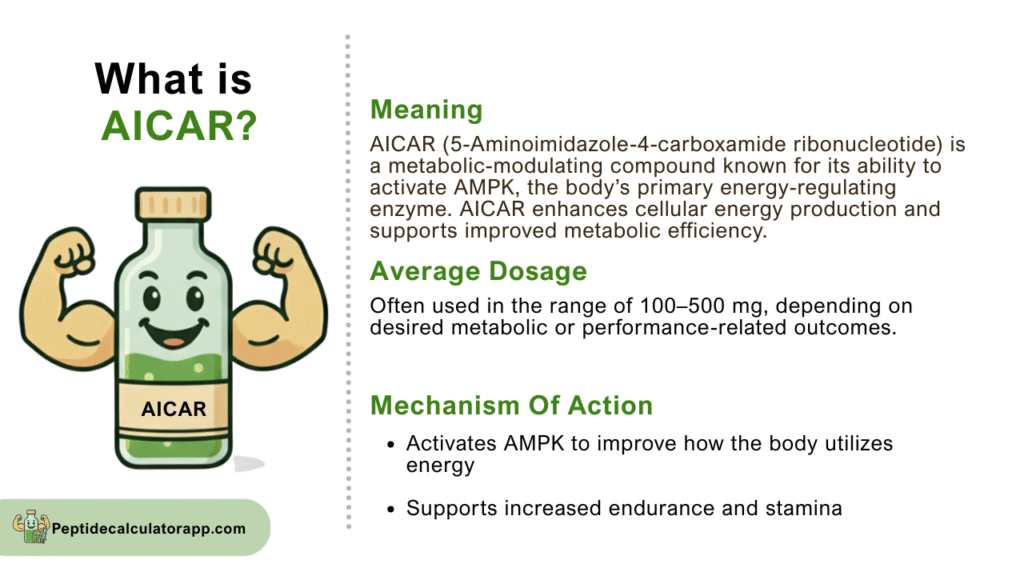
AICAR’s primary mechanism of action involves the activation of AMPK, often referred to as the body’s “metabolic master switch.” When AICAR enters cells, it is phosphorylated to form ZMP (5-aminoimidazole-4-carboxamide ribonucleoside monophosphate), which mimics the effects of AMP (adenosine monophosphate). This process tricks the cell into believing it is in an energy-depleted state, even when ATP levels are normal.
The activation of AMPK by AICAR triggers a cascade of metabolic changes including increased glucose uptake, enhanced fatty acid oxidation, and improved mitochondrial biogenesis. These effects collectively result in improved cellular energy efficiency and metabolic flexibility. Additionally, AICAR stimulates the translocation of glucose transporter 4 (GLUT4) to the cell membrane, facilitating glucose uptake independent of insulin signaling.
At the molecular level, AICAR also influences gene expression by activating transcription factors such as PGC-1α (peroxisome proliferator-activated receptor gamma coactivator 1-alpha), which plays a crucial role in mitochondrial biogenesis and oxidative metabolism. This mechanism explains why AICAR can produce exercise-like adaptations without actual physical activity.
Benefits of AICAR
Improved Glucose Tolerance and Insulin Sensitivity
AICAR is widely recognized for its ability to enhance metabolic function, particularly by improving glucose tolerance and increasing insulin sensitivity. These effects make it a potential therapeutic candidate for individuals with type 2 diabetes, prediabetes, or metabolic syndrome. By activating AMPK—a key cellular energy regulator—AICAR helps the body utilize glucose more effectively and maintain stable blood sugar levels.
Cardioprotective Effects
Research has shown that AICAR offers notable protective benefits for the heart. It can reduce ischemia-reperfusion injury, improve cardiac performance under stress, and support overall cardiovascular resilience. These cardioprotective properties stem from AICAR’s ability to enhance cellular energy production and reduce inflammation in cardiac tissues.
Enhanced Fatty Acid Oxidation and Body Composition
AICAR stimulates fatty acid oxidation, enabling the body to use stored fat more efficiently as an energy source. This mechanism may contribute to improved body composition and can support weight-management strategies. By improving metabolic flexibility, AICAR helps optimize the body’s ability to burn fat during exercise and daily activity.
Increased Endurance and Physical Performance
One of the most notable performance-related benefits of AICAR is its ability to increase endurance capacity. Research indicates improvements in exercise tolerance, stamina, and post-training recovery. Some evidence also suggests that AICAR may promote angiogenesis—the development of new blood vessels—which can enhance oxygen and nutrient delivery to working muscles, further boosting athletic performance.
Dosage and Administration
Determining appropriate AICAR dosing requires careful consideration of individual factors and intended outcomes. In research settings, dosages typically range from 0.5 to 2 mg per kilogram of body weight, administered through various routes including intravenous, intraperitoneal, or subcutaneous injection.
For experimental use, a common protocol involves administering AICAR at 1 mg/kg body weight, though some studies have used higher doses up to 5 mg/kg. The timing of administration can significantly impact effectiveness, with many researchers administering doses 30-60 minutes before intended activity or metabolic assessment.
It’s crucial to note that AICAR is not approved for human consumption by regulatory agencies like the FDA, and its use remains limited to research applications. The compound’s potent metabolic effects necessitate careful monitoring and professional supervision when used in experimental contexts.
Cycling protocols are often employed to prevent potential tolerance development, with typical cycles lasting 4-6 weeks followed by equal periods of discontinuation. Individual responses can vary significantly, making personalized dosing strategies essential for optimal outcomes.
Storage and Stability
Proper storage of AICAR is essential for maintaining its potency and effectiveness. The compound should be stored in a cool, dry environment, preferably at temperatures between 2-8°C (36-46°F). Lyophilized (freeze-dried) AICAR powder demonstrates excellent stability when stored under appropriate conditions and can maintain potency for extended periods.
Once reconstituted with bacteriostatic water or other appropriate solvents, AICAR solutions should be used within a specific timeframe, typically 30 days when refrigerated. Freezing reconstituted solutions is generally not recommended as it may affect the compound’s structural integrity.
Protection from light exposure is important, as AICAR can be photosensitive. Storage containers should be opaque or kept in dark environments to prevent degradation. Regular monitoring of solution clarity and appearance can help identify potential degradation issues.
Proper handling techniques, including sterile preparation methods and appropriate storage containers, are essential for maintaining AICAR’s quality and preventing contamination that could compromise both safety and effectiveness.
Potential Side Effects
Fatigue and Energy Changes
AICAR commonly causes fatigue during the early stages of use. This occurs as the body adjusts to shifts in metabolic signaling driven by AMPK activation. These effects are typically mild and temporary but may impact physical performance during the adaptation period.
Gastrointestinal Disturbances
Some individuals experience digestive issues such as nausea, stomach discomfort, or mild gastrointestinal upset—especially at higher dosages. These symptoms generally subside as tolerance develops but should be monitored to ensure they do not worsen over time.
Risk of Hypoglycemia
Because AICAR enhances insulin sensitivity and promotes glucose utilization, there is a potential risk of hypoglycemia. This is particularly relevant for individuals with diabetes, prediabetes, or existing blood sugar regulation challenges. Monitoring glucose levels is recommended to avoid symptomatic low blood sugar.
Cardiovascular and Electrolyte Considerations
Although AICAR has shown cardioprotective effects in research settings, its influence on heart rate and blood pressure warrants careful oversight. Changes in metabolic activity may also disrupt electrolyte balance, making periodic monitoring advisable for individuals using AICAR, especially in a performance or therapeutic context.
FAQs
Q1. Is AICAR legal for personal use?
Ans: AICAR is not approved for human consumption by regulatory agencies and should only be used in approved research settings. Personal use outside of clinical trials is not recommended and may have legal implications.
Q2. How does AICAR compare to other metabolic compounds?
Ans: AICAR specifically targets AMPK activation, making it unique among metabolic compounds. While other substances may offer similar benefits, AICAR’s specific mechanism of action provides distinct advantages in research applications.
Q3. Can AICAR replace exercise?
Ans: While AICAR can activate some exercise-like pathways, it cannot fully replace the comprehensive benefits of physical activity. Exercise provides mechanical, psychological, and social benefits that AICAR cannot replicate.
Q4. What makes AICAR different from other research peptides?
Ans: Unlike repair-focused compounds, AICAR specifically targets metabolic pathways and energy production, making it unique in its approach to cellular enhancement and adaptation.
Final Thoughts
AICAR represents a fascinating intersection of metabolic research and potential therapeutic innovation. Its unique ability to activate AMPK and mimic exercise-like adaptations has opened new avenues for understanding cellular energy metabolism and developing targeted interventions for metabolic disorders.
While the research surrounding AICAR continues to evolve, its potential applications in treating diabetes, cardiovascular disease, and metabolic dysfunction remain promising. However, the limited human safety data and regulatory restrictions emphasize the need for continued research and professional oversight.
As our understanding of AICAR’s mechanisms and applications expands, it may play an increasingly important role in metabolic medicine and research. The compound’s ability to unlock cellular energy pathways represents a significant advancement in our ability to modulate metabolism at the molecular level.