
Liraglutide is a synthetic analog of human GLP-1, a hormone naturally produced in the intestines that plays a crucial role in glucose homeostasis. This medication belongs to a class of drugs known as incretin mimetics, which work by enhancing the body’s natural ability to control blood sugar levels. The drug is administered via subcutaneous injection and is available under brand names such as Victoza for diabetes treatment and Saxenda for weight management.
The peptide structure of liraglutide has been modified to extend its half-life compared to natural GLP-1, allowing for once-daily dosing. This modification makes it more practical for patients while maintaining its therapeutic effectiveness. The medication has received approval from regulatory agencies worldwide for treating adults with type 2 diabetes and, in higher doses, for chronic weight management in adults with obesity or overweight conditions.
How Liraglutide Works?
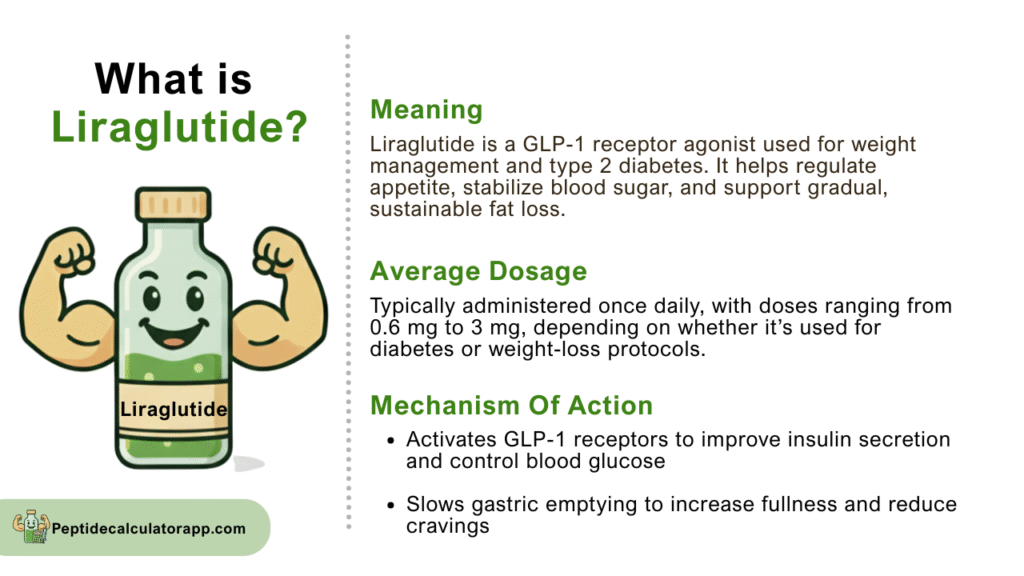
Liraglutide exerts its therapeutic effects through multiple pathways that collectively improve metabolic function. The primary mechanism involves binding to GLP-1 receptors found throughout the body, particularly in the pancreas, brain, and gastrointestinal tract. When liraglutide binds to these receptors, it triggers a cascade of beneficial metabolic responses.
In the pancreas, liraglutide stimulates insulin secretion in a glucose-dependent manner, meaning insulin is only released when blood glucose levels are elevated. This reduces the risk of hypoglycemia compared to other diabetes medications. Simultaneously, the drug suppresses glucagon release from pancreatic alpha cells, further helping to lower blood glucose levels. The medication also slows gastric emptying, which helps regulate the rate at which nutrients enter the small intestine and are absorbed into the bloodstream.
In the brain, liraglutide acts on appetite control centers, promoting satiety and reducing food intake. This mechanism is particularly important for weight management, as it helps patients feel fuller for longer periods and reduces cravings. Similar to other therapeutic peptides like BPC-157, liraglutide demonstrates the powerful potential of peptide-based therapies in addressing complex health conditions.
Benefits of Liraglutide
Effective Glycemic Control in Type 2 Diabetes
Liraglutide offers significant advantages for individuals with type 2 diabetes, particularly in achieving and maintaining stable blood glucose levels. It enhances glycemic control without causing frequent hypoglycemic episodes, making it a safer alternative compared to many traditional diabetes medications. Clinical studies consistently show meaningful reductions in HbA1c levels, and many patients reach their target glucose goals when liraglutide is paired with healthy lifestyle changes.
Substantial Weight Loss Support
One of the most notable benefits of liraglutide is its impact on weight loss. Patients often experience meaningful and sustained reductions in body weight, with clinical trials demonstrating average losses of 5–10% of initial body weight. This effect is driven by multiple physiological mechanisms, including reduced appetite, slower gastric emptying, and improved insulin sensitivity. These combined actions make liraglutide a valuable therapy for individuals struggling with obesity or weight-related metabolic issues.
Potential Renal Protective Effects
Emerging evidence suggests that liraglutide may offer protective effects on kidney function. By improving glucose control, reducing inflammation, and alleviating cardiovascular strain, the medication may help slow the progression of certain diabetes-related kidney issues. This makes it an important therapeutic option for patients at risk of diabetic nephropathy.
Anti-Inflammatory and Systemic Metabolic Benefits
Liraglutide also demonstrates anti-inflammatory properties that support broader metabolic health. By reducing systemic inflammation, it may contribute to better overall metabolic function, enhanced insulin responsiveness, and lower risk of long-term complications related to chronic metabolic disease.
Dosage and Administration
Proper dosage and administration of liraglutide are crucial for achieving optimal therapeutic outcomes while minimizing side effects. For diabetes management, the typical starting dose is 0.6 mg once daily, administered subcutaneously. After one week, the dose is usually increased to 1.2 mg daily, with the option to further increase to 1.8 mg daily if additional glycemic control is needed.
For weight management purposes, liraglutide is initiated at a lower dose of 0.6 mg daily and gradually escalated over several weeks. The dose is increased by 0.6 mg increments weekly until reaching the target maintenance dose of 3.0 mg daily. This gradual dose escalation helps minimize gastrointestinal side effects that commonly occur when starting GLP-1 receptor agonists.
The injection should be administered at the same time each day, preferably before the largest meal of the day. Common injection sites include the abdomen, thigh, or upper arm, and patients should rotate injection sites to prevent lipodystrophy. The medication comes in pre-filled pens that make self-administration convenient and accurate.
Storage and Stability
Proper storage of liraglutide is essential to maintain its potency and safety. Unopened pens should be stored in the refrigerator at temperatures between 36°F and 46°F (2°C to 8°C). The medication should never be frozen, and if accidentally frozen, it must be discarded. Once opened, liraglutide pens can be stored at room temperature (below 86°F or 30°C) for up to 30 days.
The medication should be protected from light and kept in its original packaging until use. Patients should inspect the solution before each injection, discarding any pen that contains particles, appears cloudy, or has changed color. During travel, liraglutide can be kept at room temperature for short periods, but cooling packs or insulated bags are recommended for extended trips.
It’s important to keep track of the 30-day limit for room temperature storage and to always have backup pens available. Patients should never share pens with others, even if the needle is changed, due to the risk of infection transmission.
Potential Side Effects
General Tolerance and Early Treatment Effects
Liraglutide is generally well-tolerated, but many patients experience side effects during the early stages of therapy as the body adjusts. These reactions are most commonly gastrointestinal and tend to improve as treatment continues. The recommended gradual dose-escalation schedule plays an important role in reducing the intensity of these early symptoms.
Gastrointestinal Symptoms
Gastrointestinal disturbances represent the most frequently reported side effects of liraglutide. Nausea is the most common, affecting up to 40% of patients in clinical studies, particularly during the first few weeks of treatment. Vomiting, diarrhea, constipation, abdominal pain, decreased appetite, and heartburn may also occur. These symptoms typically lessen over time as tolerance develops.
Injection Site Reactions
Local reactions at the injection site are possible and may include redness, swelling, or mild itching. These effects are usually mild and temporary, and they can often be minimized with proper injection technique and rotation of injection areas.
Effects on Blood Sugar Levels
Liraglutide alone has a low risk of causing hypoglycemia; however, when used alongside medications such as insulin or sulfonylureas, the risk increases. Patients using these combination therapies should monitor their blood glucose closely and may require dose adjustments to prevent low blood sugar episodes.
FAQs
Q1. How long does it take for liraglutide to start working?
Ans: Liraglutide begins working within hours of injection, but noticeable improvements in blood sugar levels typically occur within a few days to weeks. Weight loss effects may take several weeks to become apparent, with maximum benefits often seen after 3-6 months of consistent use.
Q2. Can liraglutide be used with other diabetes medications?
Ans: Yes, liraglutide can be combined with many diabetes medications including metformin, sulfonylureas, and insulin. However, dose adjustments may be necessary to prevent hypoglycemia, particularly when used with insulin or sulfonylureas.
Q3. What happens if I miss a dose of liraglutide?
Ans: If you miss a dose and it’s been less than 12 hours since your usual injection time, take the missed dose as soon as possible. If more than 12 hours have passed, skip the missed dose and resume your regular schedule the next day. Never take double doses to make up for a missed injection.
Q4. Is liraglutide safe for long-term use?
Ans: Clinical studies have demonstrated liraglutide’s safety profile for long-term use, with some trials extending beyond five years. However, ongoing monitoring by healthcare providers is essential to ensure continued safety and efficacy.
Q5. Can I drink alcohol while taking liraglutide?
Ans: Moderate alcohol consumption is generally acceptable while taking liraglutide, but alcohol can affect blood sugar levels and may increase the risk of hypoglycemia when combined with other diabetes medications. Patients should discuss alcohol consumption with their healthcare provider.
Final Thoughts
Liraglutide represents a significant advancement in the treatment of type 2 diabetes and obesity, offering patients a comprehensive approach to metabolic health management. Its dual benefits of glucose control and weight management, combined with cardiovascular protection, make it an valuable therapeutic option for many patients struggling with these interconnected conditions.
The success of liraglutide therapy depends on proper patient selection, appropriate dosing, and comprehensive lifestyle modifications. While side effects can occur, they are generally manageable and tend to improve with time. The extensive research supporting liraglutide’s efficacy and safety provides confidence in its use as a long-term treatment option.
As with any medication, the decision to use liraglutide should be made in consultation with healthcare providers who can assess individual patient needs, medical history, and treatment goals. Regular monitoring and follow-up care are essential components of successful liraglutide therapy, ensuring optimal outcomes while maintaining patient safety.