

ARA-290 is an 11-amino acid synthetic peptide derived from the structure of erythropoietin (EPO). Unlike traditional EPO, ARA-290 has been specifically engineered to retain the tissue-protective properties while eliminating the hematopoietic effects that stimulate red blood cell production. This selective activity makes ARA-290 particularly valuable for therapeutic applications where tissue protection is desired without the complications associated with increased red blood cell count.
The peptide was developed through careful structural modification of the original EPO molecule, resulting in a compound that maintains the beneficial neuroprotective and cytoprotective effects while avoiding unwanted side effects. This makes ARA-290 a safer alternative for long-term therapeutic use compared to full-length erythropoietin.
How ARA-290 Works?
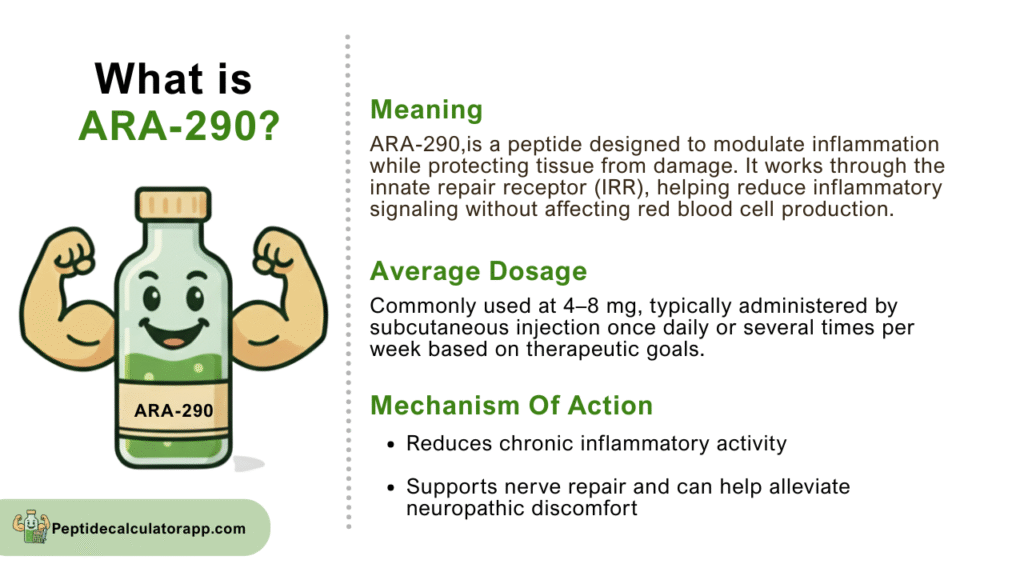
ARA-290 exerts its effects by binding to the innate repair receptor (IRR), which is composed of the erythropoietin receptor (EPOR) and the common β receptor (βcR). This binding activates specific intracellular signaling pathways that promote tissue protection and repair without stimulating erythropoiesis.
The primary mechanism involves the activation of Janus kinase 2 (JAK2) and signal transducer and activator of transcription 5 (STAT5) pathways. This activation leads to the upregulation of anti-apoptotic genes and the promotion of cellular survival mechanisms. Additionally, ARA-290 enhances nitric oxide production, which contributes to improved vascular function and tissue oxygenation.
The peptide also modulates inflammatory responses by reducing the production of pro-inflammatory cytokines while promoting anti-inflammatory mediators. This dual action helps create an optimal environment for tissue healing and repair, making it particularly effective for addressing various inflammatory conditions.
Benefits of ARA-290
Neuroprotection Across the Nervous System
ARA-290 is widely recognized for its potent neuroprotective effects. Research demonstrates that the peptide helps safeguard neurons from damage caused by inflammation, oxidative stress, and ischemia. These protective actions extend to both the central and peripheral nervous systems, making ARA-290 a promising therapeutic candidate for neurodegenerative diseases, neuropathic pain, and nerve injuries.
Accelerated Wound Healing
One of the key benefits of ARA-290 is its ability to significantly enhance wound healing. The peptide supports tissue repair by promoting angiogenesis, reducing local inflammation, and encouraging the formation of healthy tissue. These effects make it particularly valuable for individuals with chronic wounds, impaired healing capacity, or conditions such as diabetes that affect tissue regeneration.
Anti-Inflammatory Properties
ARA-290 has shown strong anti-inflammatory activity by modulating immune responses and reducing inflammatory cytokines. This contributes not only to faster tissue repair but also to broader therapeutic potential in inflammatory and autoimmune conditions.
Comprehensive Tissue Repair Mechanisms
Much like BPC-157, which is well-known for its regenerative benefits, ARA-290 supports tissue healing, though it operates through distinct biological pathways. Its multi-layered regenerative effects make it a versatile peptide for addressing injuries, chronic inflammation, and degenerative conditions.
Dosage and Administration
The optimal dosage of ARA-290 varies depending on the specific condition being treated and individual patient factors. Research studies have typically used doses ranging from 2 to 4 mg administered subcutaneously, with treatment protocols varying from daily administration to less frequent dosing schedules.
For neuropathic pain conditions, studies have commonly employed a dose of 2 mg administered subcutaneously three times per week for several weeks. However, some research has explored daily dosing protocols with similar or enhanced efficacy.
It’s crucial to note that ARA-290 should only be administered under proper medical supervision, as individual responses can vary significantly. Healthcare providers will typically start with lower doses and adjust based on patient response and tolerance. The subcutaneous route of administration is preferred due to better bioavailability and more consistent absorption compared to oral administration.
Storage and Stability
Proper storage of ARA-290 is essential to maintain its stability and therapeutic efficacy. The peptide should be stored in a refrigerated environment at temperatures between 2-8°C (36-46°F) when in lyophilized form. Once reconstituted, the solution should be used within a specified timeframe as determined by stability studies.
Lyophilized ARA-290 typically maintains stability for extended periods when stored properly in a dry, dark environment. Exposure to light, heat, and moisture should be minimized to prevent degradation of the peptide structure. When preparing the solution for injection, sterile water or bacteriostatic water should be used according to manufacturer guidelines.
After reconstitution, the peptide solution should be stored in the refrigerator and used within the recommended timeframe, usually within 7-14 days depending on the specific formulation and storage conditions. Freezing of the reconstituted solution is generally not recommended as it may affect peptide stability.
Potential Side Effects
Injection Site Reactions
ARA-290 is generally well-tolerated, but mild injection site reactions are the most commonly reported side effects. These may include slight pain, redness, or swelling at the site of administration. Such reactions are temporary and usually resolve without intervention.
Mild Systemic Symptoms
Some individuals may experience mild systemic effects such as headache, fatigue, or dizziness, particularly during the initial phase of treatment. These symptoms tend to diminish as the body adjusts to the peptide and are not typically severe.
No Risk of Polycythemia
Unlike traditional erythropoietin (EPO), ARA-290 does not significantly increase red blood cell count. This important distinction eliminates the risk of polycythemia and reduces concerns regarding related cardiovascular complications.
Rare Allergic Reactions
Although uncommon, allergic reactions can occur. Potential signs include rash, itching, or swelling, particularly during the early doses. Patients should be monitored carefully, and any persistent or unusual symptoms should be promptly reported to a healthcare provider.
FAQs
Q1. How long does it take to see results with ARA-290?
Ans: The timeline for experiencing benefits from ARA-290 can vary depending on the condition being treated and individual factors. Some patients may notice improvements within a few weeks, while others may require several months of treatment to experience significant benefits.
Q2. Can ARA-290 be used with other medications?
Ans: ARA-290 can generally be used alongside other medications, but it’s essential to inform healthcare providers about all current treatments to avoid potential interactions. Proper medical supervision ensures safe and effective combination therapy.
Q3. Is ARA-290 suitable for long-term use?
Ans: Research suggests that ARA-290 can be used safely for extended periods when properly monitored. The peptide’s favorable safety profile makes it suitable for long-term therapeutic applications, though regular medical follow-up is recommended.
Q4. What makes ARA-290 different from other peptides?
Ans: ARA-290’s unique mechanism of targeting the innate repair receptor while avoiding hematopoietic effects distinguishes it from other therapeutic peptides. This selective activity provides tissue protection benefits without the complications associated with increased red blood cell production.
Final Thoughts
ARA-290 represents a promising advancement in peptide therapy, offering significant potential for treating various conditions through its unique neuroprotective and tissue repair mechanisms. Its favorable safety profile and selective activity make it an attractive therapeutic option for patients seeking alternatives to traditional treatments.
As research continues to explore the full therapeutic potential of ARA-290, it’s likely that new applications and treatment protocols will emerge. The peptide’s ability to promote healing while minimizing side effects positions it as a valuable tool in modern medicine’s therapeutic arsenal.
For individuals considering ARA-290 therapy, working with knowledgeable healthcare providers is essential to ensure optimal treatment outcomes. Proper dosing, administration, and monitoring can help maximize the benefits while minimizing potential risks.