
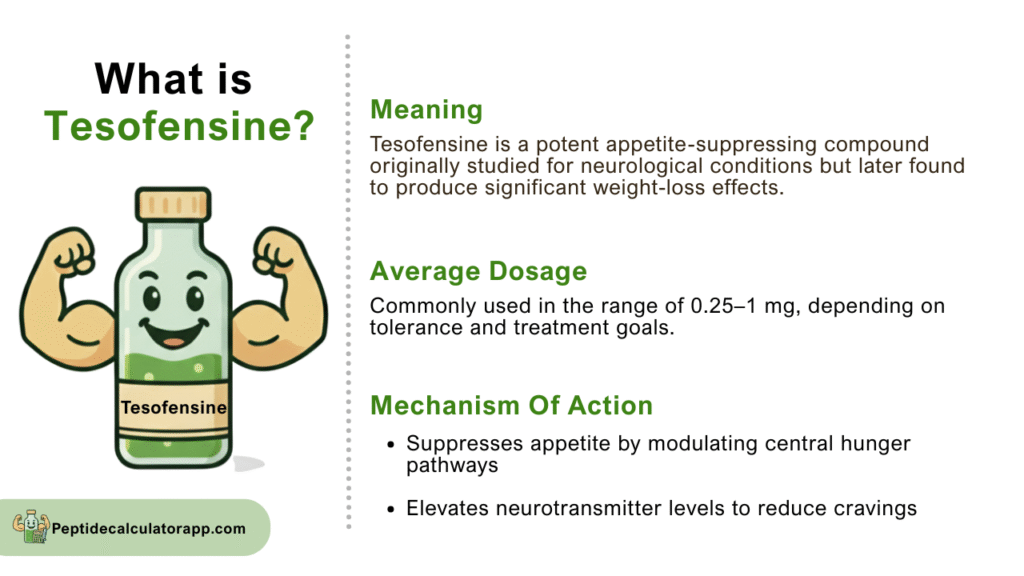
Tesofensine is a synthetic compound that functions as a triple reuptake inhibitor, simultaneously blocking the reuptake of three key neurotransmitters: dopamine, norepinephrine, and serotonin. Originally developed by NeuroSearch as a potential treatment for Alzheimer’s disease and Parkinson’s disease, researchers discovered its potent weight loss effects during clinical trials, leading to a shift in its therapeutic focus.
The compound belongs to a class of medications known as monoamine reuptake inhibitors, but what sets tesofensine apart is its unique triple-action mechanism. Unlike other weight loss medications that typically target one or two pathways, tesofensine’s comprehensive approach to neurotransmitter modulation makes it exceptionally effective for appetite suppression and metabolic enhancement.
How Tesofensine Works?
Tesofensine’s mechanism of action centers on its ability to inhibit the reuptake of dopamine, norepinephrine, and serotonin in the brain. By preventing the reabsorption of these neurotransmitters, tesofensine increases their availability in synaptic clefts, leading to enhanced signaling between neurons.
The dopamine pathway plays a crucial role in reward and motivation systems, particularly those related to food intake. By increasing dopamine availability, tesofensine helps reduce food cravings and the rewarding sensation associated with eating. The norepinephrine component contributes to increased energy expenditure and thermogenesis, while the serotonin enhancement promotes satiety and mood stabilization.
This triple mechanism creates a synergistic effect that addresses multiple aspects of weight management simultaneously. The compound effectively reduces appetite, increases energy expenditure, and helps maintain metabolic rate even during caloric restriction, making it significantly more effective than single-pathway interventions.
Benefits of Tesofensine
Weight Management and Fat Loss
Tesofensine has shown remarkable effectiveness in promoting significant weight reduction. Clinical studies report average weight loss of 10–15% of total body weight over a six-month period, a result that exceeds the outcomes of many traditional weight-loss medications. This substantial reduction in body weight is primarily due to its ability to suppress appetite, increase satiety, and enhance metabolic activity.
Metabolic Health Improvements
Beyond weight loss, tesofensine contributes to meaningful metabolic benefits. Many users experience improved insulin sensitivity, better glucose control, and a reduction in metabolic risk factors. These effects make tesofensine a particularly valuable option for individuals with type 2 diabetes, prediabetes, or metabolic syndrome, where improved metabolic regulation is essential for long-term health.
Enhanced Energy and Physical Performance
Tesofensine also supports increased energy levels and improved physical performance. By enhancing noradrenaline and dopamine signaling, the compound promotes greater activity, better exercise tolerance, and improved overall stamina. These changes often contribute to a more active lifestyle, which reinforces long-term weight management outcomes.
Mental and Emotional Benefits
The serotonin-modulating effects of tesofensine provide additional benefits for emotional well-being. Many individuals report improved mood stability, better focus, and reduced emotional eating behaviors. This emotional regulation can help break the cycle of stress-related overeating and supports sustainable, long-term lifestyle changes.
Dosage and Administration
Tesofensine dosing typically follows a carefully structured protocol designed to maximize efficacy while minimizing potential side effects. The standard dosing range is 0.25mg to 1.0mg daily, with most clinical studies utilizing 0.5mg as the optimal therapeutic dose.
Treatment usually begins with a lower dose of 0.25mg daily for the first week to assess tolerance, followed by gradual increases to the target dose. The medication is typically administered once daily in the morning to minimize potential sleep disturbances due to its stimulating effects.
Administration should be consistent, preferably at the same time each day, and can be taken with or without food. However, taking tesofensine with food may help reduce potential gastrointestinal side effects in sensitive individuals. Treatment duration in clinical studies has ranged from 6 months to 2 years, with ongoing monitoring for safety and efficacy.
Storage and Stability
Proper storage of tesofensine is essential for maintaining its potency and safety. The compound should be stored at room temperature, typically between 68-77°F (20-25°C), in a dry environment away from direct sunlight and moisture.
The medication should be kept in its original container with the lid tightly closed to prevent exposure to air and humidity. Avoid storing tesofensine in bathrooms or other areas with high humidity, as moisture can degrade the active compound and reduce its effectiveness.
When stored properly, tesofensine maintains its stability for the duration indicated on the packaging. Always check expiration dates before use and dispose of expired medication safely through appropriate pharmaceutical disposal programs. Keep all medications out of reach of children and pets to prevent accidental ingestion.
Potential Side Effects
Common and Early-Onset Reactions
Tesofensine is generally well-tolerated, but mild side effects can occur, particularly during the early stages of treatment. Many individuals report dry mouth, nausea, constipation, or mild headaches. These reactions are typically temporary and tend to diminish as the body becomes accustomed to the medication.
Sleep-Related Concerns
Because tesofensine influences central nervous system activity, some users may notice sleep disturbances such as difficulty falling or staying asleep. This is more likely when the medication is taken later in the day, which is why morning dosing is usually recommended to reduce nighttime stimulation.
Cardiovascular Effects
Mild elevations in heart rate or blood pressure may be observed, especially during the first few weeks of therapy. These changes are usually manageable but highlight the importance of monitoring, particularly for individuals with existing cardiovascular conditions or risk factors.
Mood and Neurological Considerations
Although rare, more serious side effects can involve mood changes, increased anxiety, or feelings of agitation. People with a history of mental health disorders should be monitored closely to ensure emotional stability throughout treatment. Since tesofensine acts on neurotransmitter systems, any discontinuation should be done gradually under medical guidance to prevent withdrawal-like symptoms.
FAQs
Q1. How quickly can I expect to see results with tesofensine?
Ans: Most users begin experiencing appetite suppression within the first week of treatment, with noticeable weight loss typically occurring within 2-4 weeks. Significant weight reduction usually becomes apparent after 8-12 weeks of consistent use.
Q2. Can tesofensine be combined with other weight loss treatments?
Ans: Tesofensine can potentially be combined with lifestyle interventions such as diet and exercise programs. However, combination with other weight loss medications should only be considered under strict medical supervision due to potential interactions.
Q3. Is tesofensine addictive?
Ans: Clinical studies have not shown evidence of addiction potential with tesofensine when used as prescribed. However, as with any medication affecting neurotransmitter systems, gradual discontinuation under medical supervision is recommended.
Q4. What happens if I miss a dose?
Ans: If you miss a dose, take it as soon as you remember, unless it’s close to bedtime. In that case, skip the missed dose and resume your normal schedule the next morning. Never double dose to make up for a missed dose.
Q5. Can I drink alcohol while taking tesofensine?
Ans: Alcohol consumption should be limited or avoided while taking tesofensine, as alcohol can interfere with the medication’s effectiveness and potentially increase the risk of side effects.
Final Thoughts
Tesofensine represents a significant advancement in obesity treatment, offering a unique triple-action approach that addresses multiple pathways involved in weight regulation. Its impressive efficacy in clinical trials, combined with a generally favorable safety profile, makes it a promising option for individuals struggling with weight management.
The compound’s ability to simultaneously reduce appetite, increase energy expenditure, and improve metabolic parameters sets it apart from traditional weight loss interventions. However, like all medications, tesofensine should be used as part of a comprehensive approach that includes lifestyle modifications and ongoing medical supervision.
As research continues to evolve, tesofensine may become an increasingly important tool in addressing the global obesity epidemic. Its potential extends beyond simple weight loss to encompass broader metabolic health improvements, offering hope for millions seeking effective solutions for weight-related health challenges.