
Pinealon is a tripeptide that functions as a bioregulator, meaning it helps restore normal cellular function and homeostasis within the body. Unlike traditional pharmaceuticals that often work by blocking or stimulating specific receptors, Pinealon operates at the genetic level by influencing gene expression patterns. This peptide is particularly noted for its ability to interact with DNA and help normalize cellular activities that may have become dysregulated due to aging, stress, or disease.
The peptide was first isolated from the pineal gland, a small endocrine gland in the brain responsible for producing melatonin and regulating circadian rhythms. Researchers discovered that extracts from young pineal glands contained bioactive compounds that could influence the aging process and cellular regeneration. Through extensive research, scientists were able to identify and synthesize the active components, leading to the development of Pinealon as a therapeutic agent.
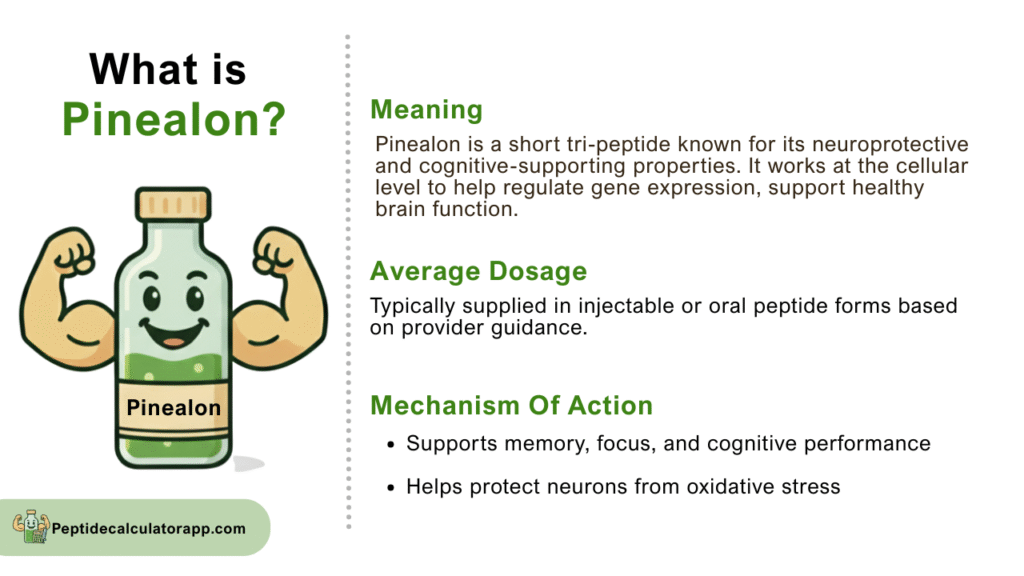
How Pinealon Works?
Pinealon’s mechanism of action is unique and multifaceted, operating primarily at the cellular and molecular level. The peptide works by interacting with specific DNA sequences in the cell nucleus, where it can influence gene expression and protein synthesis. This interaction helps restore optimal cellular function by promoting the production of proteins essential for cellular repair, regeneration, and normal metabolic processes.
One of the key aspects of Pinealon’s action is its ability to regulate telomerase activity. Telomerase is an enzyme responsible for maintaining telomeres, the protective DNA-protein structures at the ends of chromosomes that shorten with age. By supporting telomerase function, Pinealon may help slow cellular aging and promote longevity at the cellular level.
Additionally, Pinealon appears to enhance the cell’s natural antioxidant defense systems, helping to protect against oxidative stress and free radical damage. This protective effect extends to mitochondrial function, where the peptide may help optimize energy production and cellular metabolism. Similar to how other peptides like BPC-157 support tissue repair and healing, Pinealon works to maintain cellular integrity and function.
Benefits of Pinealon
Cognitive Support
Pinealon has gained attention for its reported cognitive-enhancing effects. Users and researchers have observed improvements in memory, mental clarity, and general cognitive performance. These effects appear to stem from Pinealon’s influence on neuronal health and neuroprotective mechanisms, making it a promising option for supporting brain function as individuals age.
Immune System Balance
Another important benefit is Pinealon’s immunomodulatory activity. Research suggests that it may help regulate immune responses and strengthen immune defenses, which is particularly valuable for older adults experiencing age-related immune decline. This immune support may also contribute to a reduced risk of age-associated illnesses.
Additional Wellness Effects
Beyond its primary areas of action, Pinealon has been associated with several other positive outcomes. Reports highlight improvements in sleep quality, enhanced daily energy levels, better stress resilience, and potential support for cardiovascular health. These combined effects contribute to Pinealon’s role in promoting overall well-being and long-term vitality.
Dosage and Administration
The typical dosage of Pinealon varies depending on the specific application and individual needs. Most research protocols use doses ranging from 1-10 mg per day, administered either subcutaneously, intramuscularly, or orally, depending on the formulation available.
For subcutaneous administration, the most common approach involves daily injections of 1-3 mg for periods ranging from 10-20 days, followed by maintenance cycles. Some protocols recommend repeating these cycles every 3-6 months for optimal benefits.
Oral formulations, while potentially less bioavailable, are often used at higher doses (5-10 mg daily) and may be taken continuously or in cycles. The timing of administration can be important, with many practitioners recommending evening doses due to the peptide’s potential effects on circadian rhythms and sleep quality.
It’s crucial to work with a qualified healthcare provider when considering Pinealon therapy, as individual needs can vary significantly based on age, health status, and specific goals. Proper medical supervision ensures safe and effective use while monitoring for any potential adverse effects.
Storage and Stability
Proper storage of Pinealon is essential for maintaining its potency and effectiveness. Lyophilized (freeze-dried) powder forms of the peptide should be stored in a freezer at temperatures below -20°C (-4°F) for long-term storage. Under these conditions, the peptide can remain stable for several years.
Once reconstituted with bacteriostatic water or sterile saline, the solution should be stored in a refrigerator at 2-8°C (36-46°F) and used within 30 days for optimal potency. It’s important to protect the reconstituted solution from light and avoid repeated freeze-thaw cycles, which can degrade the peptide.
When handling Pinealon, it’s essential to use sterile techniques to prevent contamination. The peptide should be kept in its original vial and only drawn up into syringes immediately before use. Any unused reconstituted solution showing signs of cloudiness, discoloration, or particulate matter should be discarded.
Potential Side Effects
Common Mild Effects
The most frequently reported side effects tend to be mild and temporary. These may include brief episodes of fatigue, mild headaches, or slight drowsiness, particularly during the initial days of use. These symptoms usually diminish as the body becomes accustomed to the peptide.
Injection Site Reactions
When Pinealon is administered subcutaneously or intramuscularly, minor injection site reactions may occur. These can include mild redness, swelling, or tenderness at the injection area. Such reactions are typically short-lived and can be minimized with proper technique and site rotation.
Rare but Serious Effects
Serious side effects are uncommon, but allergic reactions can occur in sensitive individuals. Anyone considering Pinealon therapy should consult with a qualified healthcare provider to discuss potential risks, especially those with underlying medical conditions or those currently taking other medications.
FAQs
Q1. How long does it take to see results with Pinealon?
Ans: Most users report initial effects within 1-2 weeks of starting treatment, with more significant benefits becoming apparent after 4-6 weeks of consistent use. Long-term benefits related to cellular health and aging may take several months to become fully apparent.
Q2. Can Pinealon be combined with other peptides?
Ans: Yes, Pinealon is often used in combination with other peptides as part of comprehensive anti-aging protocols. However, it’s important to work with a knowledgeable healthcare provider to ensure safe and effective combinations.
Q3. Is Pinealon legal and available?
Ans: The legal status of Pinealon varies by country. In many jurisdictions, it’s available for research purposes or through specialized clinics. It’s important to check local regulations and work with legitimate sources.
Q4. What’s the difference between Pinealon and melatonin?
Ans: While both are associated with the pineal gland, they work differently. Melatonin is a hormone that regulates sleep-wake cycles, while Pinealon is a peptide that works at the cellular level to influence gene expression and cellular function.
Q5. Can younger people use Pinealon?
Ans: While Pinealon is primarily studied in older adults, some younger individuals may benefit from its use, particularly those with genetic predispositions to early aging or those exposed to high levels of oxidative stress.
Final Thoughts
Pinealon represents a promising approach to supporting healthy aging and cellular function through its unique mechanism of action at the genetic level. While research continues to evolve, current evidence suggests that this bioregulatory peptide may offer significant benefits for those seeking to optimize their healthspan and longevity.
As with any therapeutic intervention, the decision to use Pinealon should be made in consultation with qualified healthcare providers who can assess individual needs and monitor treatment outcomes. The peptide’s relatively favorable safety profile, combined with its potential benefits, makes it an attractive option for many individuals interested in evidence-based anti-aging strategies.
The future of Pinealon research looks promising, with ongoing studies exploring its applications in various age-related conditions and its potential role in preventive medicine. As our understanding of cellular aging and bioregulation continues to advance, peptides like Pinealon may play increasingly important roles in helping people maintain health and vitality throughout their lives.