
Oxytocin is a peptide hormone composed of nine amino acids that is produced in the hypothalamus and released by the posterior pituitary gland. First discovered in 1906 by Sir Henry Dale, oxytocin derives its name from the Greek words “oxys” (quick) and “tokos” (birth), reflecting its original association with childbirth and labor contractions.
This remarkable hormone serves multiple functions throughout the body, acting both as a hormone in the bloodstream and as a neurotransmitter in the brain. Oxytocin is synthesized as part of a larger precursor protein called neurophysin I, which is then processed to release the active hormone. The molecule’s unique structure allows it to bind specifically to oxytocin receptors found throughout the body, particularly in the uterus, mammary glands, and various brain regions.
How Oxytocin Works?
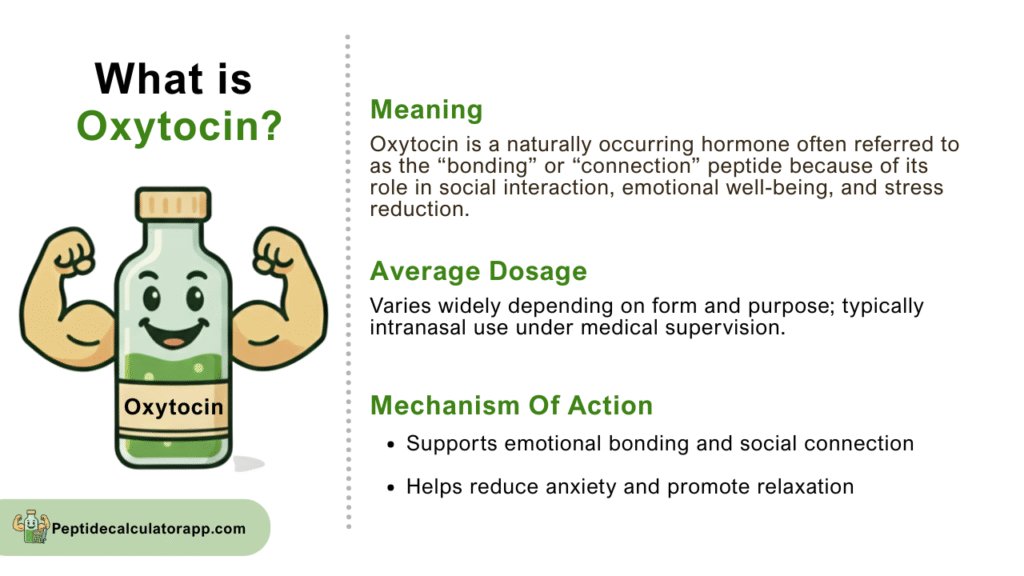
Oxytocin exerts its effects through binding to specific G-protein coupled receptors known as oxytocin receptors (OXTR). These receptors are distributed throughout the body, with particularly high concentrations in the uterus, mammary glands, heart, kidneys, and various brain regions including the amygdala, hippocampus, and hypothalamus.
When oxytocin binds to its receptors, it activates a cascade of intracellular signaling pathways. In the uterus, this binding leads to increased calcium levels within smooth muscle cells, resulting in strong contractions during labor. In the mammary glands, oxytocin stimulates the contraction of myoepithelial cells, facilitating milk ejection during breastfeeding.
In the brain, oxytocin acts as a neuromodulator, influencing various neural circuits involved in social behavior, stress response, and emotional regulation. The hormone can cross the blood-brain barrier to some extent, though much of its central nervous system activity comes from oxytocin produced directly within the brain. Similar to how other therapeutic peptides like BPC-157 work through specific receptor mechanisms, oxytocin’s targeted approach allows for precise physiological effects.
Benefits of Oxytocin
Enhanced Social Bonding
Oxytocin is widely recognized for its powerful influence on social connection. It strengthens emotional bonds between romantic partners, reinforces attachment between parents and children, and enhances trust and closeness in friendships. By promoting a sense of safety and connection, oxytocin plays a central role in healthy social relationships.
Stress Reduction and Relaxation
One of oxytocin’s most notable benefits is its ability to reduce stress. It helps lower cortisol levels and activates the parasympathetic nervous system, promoting feelings of calm and relaxation. Many individuals experience improved emotional resilience and reduced tension following oxytocin release or supplementation.
Improved Mood and Emotional Well-Being
Research shows that oxytocin can elevate mood and help reduce symptoms of depression and anxiety. By fostering positive emotions and supporting meaningful social interactions, it contributes to improved emotional stability and overall psychological health.
Pain Management Support
Oxytocin may provide relief from both physical and emotional pain. Studies suggest that it has analgesic properties, helping to reduce the perception of pain and increasing tolerance during stressful or uncomfortable situations.
Dosage and Administration
Oxytocin administration varies significantly depending on the intended use and clinical context. In medical settings, oxytocin is typically administered intravenously or intramuscularly under strict medical supervision. For labor induction or augmentation, doses typically range from 1-2 milliunits per minute, gradually increased based on uterine response.
For research purposes and experimental treatments, intranasal oxytocin has become increasingly popular due to its non-invasive nature and ability to reach the brain more effectively. Typical research doses range from 12-40 International Units (IU) administered intranasally, though optimal dosing protocols are still being established.
It’s crucial to note that oxytocin should only be used under proper medical supervision, as inappropriate dosing can lead to serious complications. Self-administration is not recommended, and any therapeutic use should be carefully monitored by qualified healthcare professionals who understand peptide therapy protocols.
Storage and Stability
Proper storage of oxytocin is essential for maintaining its biological activity and therapeutic effectiveness. Oxytocin is relatively unstable and sensitive to environmental conditions, requiring careful handling and storage protocols.
Lyophilized (freeze-dried) oxytocin should be stored at -20°C to -80°C in a dry, dark environment. Once reconstituted with sterile water or appropriate diluent, the solution should be used immediately or stored at 2-8°C for no more than a few days. Reconstituted solutions should never be frozen, as this can cause precipitation and loss of activity.
The hormone is sensitive to light, heat, and pH changes, which can lead to degradation and reduced potency. Vials should be protected from direct light and stored in their original packaging when possible. Temperature fluctuations should be minimized during transport and storage to ensure optimal stability.
Potential Side Effects
Nausea and Vomiting
Some individuals may experience nausea or vomiting, especially with higher doses or rapid administration. These effects are typically mild and temporary but should be monitored closely.
Headache
Headaches can occur due to shifts in blood pressure or oxytocin’s direct effects on the nervous system. This side effect is generally short-lived but may be bothersome for sensitive users.
Nasal Irritation
When administered intranasally, oxytocin may cause nasal discomfort, congestion, or mild irritation. These symptoms are usually minor and resolve quickly.
Uterine Hyperstimulation (Obstetric Use)
In medical settings involving labor induction, oxytocin can sometimes cause excessive uterine contractions. This may pose risks to fetal well-being, which is why careful medical supervision is essential during obstetric use.
Water Retention
Oxytocin has mild antidiuretic effects, which may contribute to fluid retention or swelling in certain individuals. Monitoring hydration levels can help manage this potential effect.
Contraindications include certain pregnancy complications, hypersensitivity to oxytocin, and specific cardiovascular conditions. Healthcare providers must carefully evaluate individual risk factors before oxytocin administration.
FAQs
Q1. How long does oxytocin stay in the system?
Ans: Oxytocin has a relatively short half-life of approximately 1-6 minutes when administered intravenously. However, its effects on behavior and physiology may persist for several hours due to downstream signaling cascades and neural plasticity changes.
Q2. Can oxytocin be taken orally?
Ans: Oral administration of oxytocin is generally ineffective due to rapid degradation by digestive enzymes. Intranasal administration is preferred for non-invasive delivery, as it allows the hormone to reach the brain more effectively while bypassing the digestive system.
Q3. Is oxytocin safe for long-term use?
Ans: Long-term safety data for oxytocin therapy is limited, particularly for non-obstetric applications. Most research has focused on acute or short-term administration, and the effects of chronic oxytocin exposure are not fully understood.
Q4. Can oxytocin be used with other medications?
Ans: Oxytocin may interact with certain medications, particularly those affecting blood pressure or uterine function. Always consult with healthcare providers about potential drug interactions before starting oxytocin therapy.
Final Thoughts
Oxytocin represents one of the most fascinating and well-studied peptide hormones in modern medicine. Its diverse roles in social bonding, stress regulation, and physiological function make it a compelling target for therapeutic intervention across numerous conditions. While our understanding of oxytocin continues to evolve, the growing body of research supports its potential as a valuable therapeutic tool.
The future of oxytocin therapy looks promising, with ongoing clinical trials investigating its applications in autism, anxiety, depression, and cardiovascular disease. As with any therapeutic intervention, proper medical supervision and individualized treatment approaches are essential for safe and effective outcomes.
For those considering oxytocin therapy, working with knowledgeable healthcare providers who understand the complexities of peptide-based treatments is crucial. As research continues to unlock the full potential of this remarkable hormone, oxytocin may well become an increasingly important component of personalized medicine approaches to various health conditions.