
Glutathione is a naturally occurring tripeptide composed of three amino acids: cysteine, glutamic acid, and glycine. Found in virtually every cell of the human body, glutathione serves as the primary intracellular antioxidant and detoxification agent. The highest concentrations are found in the liver, lungs, heart, and brain, where its protective functions are most critical.
This remarkable molecule exists in two forms: reduced glutathione (GSH), which is the active form, and oxidized glutathione (GSSG), which forms when GSH neutralizes free radicals. The ratio between these two forms serves as an important indicator of cellular health and oxidative stress levels.
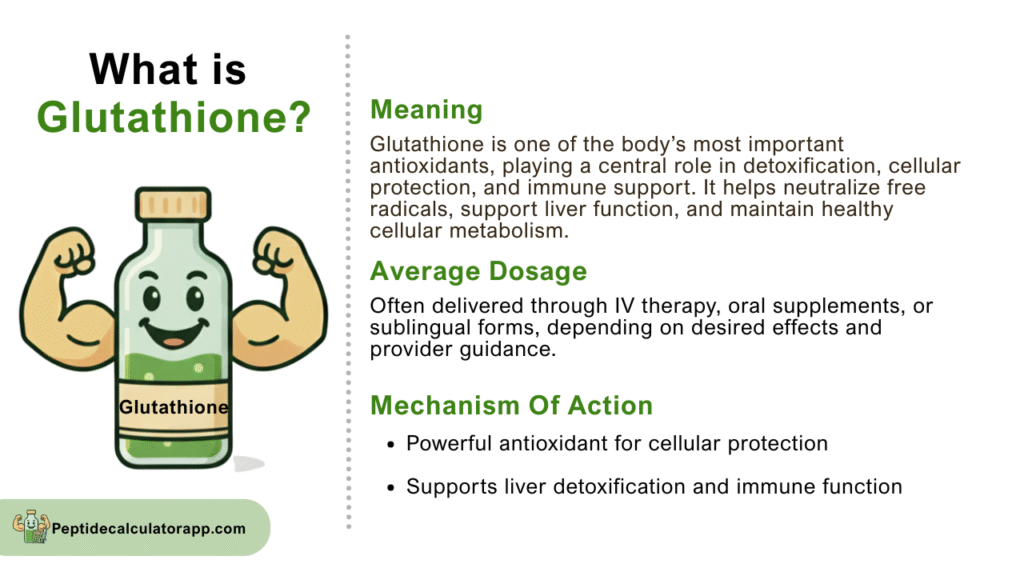
How Glutathione Works?
Glutathione functions through several interconnected mechanisms that make it indispensable for cellular health. As a potent antioxidant, it directly scavenges free radicals and reactive oxygen species that can damage cellular components including DNA, proteins, and lipids.
The molecule works by donating electrons to neutralize harmful oxidants, transforming from its reduced form (GSH) to its oxidized form (GSSG) in the process. The enzyme glutathione reductase then regenerates GSH from GSSG using NADPH as a cofactor, maintaining the cellular glutathione pool.
Beyond its antioxidant properties, glutathione serves as a cofactor for various enzymes, including glutathione peroxidases and glutathione S-transferases, which are crucial for detoxification processes. It also plays a vital role in maintaining the proper functioning of other antioxidants like vitamins C and E by recycling them back to their active forms.
Benefits of Glutathione
Immune System Support
Glutathione plays a vital role in maintaining a strong and balanced immune system. It supports optimal T-cell function and overall immune activity, helping the body respond more effectively to infections and illnesses. Individuals with higher glutathione levels often demonstrate improved immune resilience and faster recovery from immune-related challenges.
Powerful Detoxification
One of glutathione’s most important functions is detoxification. It binds to and neutralizes harmful substances such as heavy metals, environmental toxins, and pollutants, allowing the body to safely eliminate them. This detoxifying action helps reduce oxidative stress and supports liver health, making glutathione essential for overall systemic cleansing.
Anti-Aging and Cellular Protection
Glutathione is one of the body’s most potent antioxidants, protecting cells from oxidative damage that contributes to aging. By reducing free radical activity and supporting mitochondrial health, it helps maintain youthful cellular function and may slow visible signs of aging, including skin dullness and inflammation.
Cardiovascular and Cognitive Benefits
Research suggests that maintaining optimal glutathione levels may support cardiovascular health by reducing oxidative stress within blood vessels. Cognitive benefits have also been noted, with glutathione helping protect brain cells and support healthy neurological function, potentially contributing to sharper memory and better mental clarity.
Dosage and Administration
Glutathione supplementation can be administered through various routes, each with different bioavailability and effectiveness profiles. Oral supplementation typically ranges from 250mg to 1000mg daily, though absorption can be limited due to breakdown in the digestive system.
Liposomal glutathione formulations offer improved bioavailability compared to standard oral supplements, with typical dosages ranging from 100mg to 500mg daily. Sublingual administration may also provide better absorption than traditional oral forms.
For therapeutic purposes, some practitioners recommend intravenous administration, which provides 100% bioavailability. IV glutathione doses typically range from 600mg to 2000mg per session, administered under medical supervision.
N-acetylcysteine (NAC) supplementation is another approach, as NAC serves as a precursor to glutathione synthesis. NAC dosages typically range from 600mg to 1800mg daily and may be more cost-effective for long-term use.
Storage and Stability
Proper storage of glutathione supplements is crucial for maintaining their potency and effectiveness. Most glutathione supplements should be stored in a cool, dry place away from direct sunlight and heat sources. Temperature fluctuations can degrade the molecule and reduce its therapeutic value.
Liposomal glutathione formulations often require refrigeration to maintain stability and should be consumed within the specified timeframe after opening. Powder forms should be kept in airtight containers with desiccant packets to prevent moisture absorption.
For injectable forms, proper refrigeration is essential, and the product should never be frozen. Always check expiration dates and dispose of any supplements that have changed color, developed an unusual odor, or exceeded their shelf life.
Potential Side Effects
Common Reactions
Glutathione is generally considered safe, but some individuals may experience mild gastrointestinal discomfort such as nausea, bloating, or digestive upset. These effects are most common when beginning supplementation or using higher doses and typically resolve as the body adjusts.
Allergic Sensitivities
Although uncommon, allergic reactions can occur, particularly in individuals sensitive to sulfur-containing compounds. Symptoms may include skin irritation, rash, swelling, or difficulty breathing. Anyone experiencing these signs should discontinue use and seek medical attention promptly.
Detoxification-Related Effects
High-dose intravenous glutathione may occasionally trigger temporary fatigue or flu-like symptoms. These reactions are typically linked to increased detoxification activity as the body eliminates mobilized toxins. Working with a trained healthcare provider can help manage and minimize these effects.
Precautions and Interactions
Individuals with underlying health conditions or those taking certain medications should consult a healthcare professional before starting glutathione. This helps prevent potential interactions and ensures that supplementation is safe and appropriate for their specific needs.
FAQs
Q1. Can glutathione be taken with other supplements?
Ans: Yes, glutathione can generally be taken with other supplements. In fact, it may work synergistically with vitamins C and E, selenium, and other antioxidants. However, it’s best to consult with a healthcare provider about your specific supplement regimen.
Q2. How long does it take to see benefits from glutathione supplementation?
Ans: Benefits may vary depending on individual factors and the form of supplementation used. Some people report feeling improvements in energy and well-being within a few weeks, while other benefits may take several months of consistent use to become apparent.
Q3. Is glutathione safe for long-term use?
Ans: Research suggests that glutathione is generally safe for long-term use when taken at appropriate dosages. However, it’s advisable to work with a healthcare provider to monitor your progress and adjust dosing as needed.
Q4. What’s the difference between glutathione and NAC supplementation?
Ans: NAC is a precursor that supports the body’s natural glutathione production, while direct glutathione supplementation provides the molecule itself. NAC may be more cost-effective for long-term use, while direct glutathione may provide more immediate effects.
Final Thoughts
Glutathione represents one of the most important molecules for human health, serving as our body’s primary defense against oxidative stress and cellular damage. Its wide-ranging benefits, from immune support to detoxification and anti-aging effects, make it a valuable consideration for many individuals seeking to optimize their health.
While glutathione supplementation shows promise for various health applications, it’s crucial to approach it thoughtfully and under appropriate guidance. The choice of supplementation form, dosage, and duration should be tailored to individual needs and health status.
As research continues to unveil new applications and benefits of glutathione, it’s likely that our understanding of this master antioxidant will continue to evolve. For now, maintaining adequate glutathione levels through supplementation, proper nutrition, and lifestyle choices remains a cornerstone of optimal health and longevity.