
DSIP (Delta Sleep Peptide) is a naturally occurring nonapeptide consisting of nine amino acids with the sequence Trp-Ala-Gly-Gly-Asp-Ala-Ser-Gly-Glu. First discovered in 1977 by Swiss researchers Schoenenberger and Monnier, this peptide was initially isolated from the cerebral venous blood of rabbits during slow-wave sleep phases. The name “delta sleep peptide” derives from its association with delta waves, the characteristic brain wave patterns observed during deep, restorative sleep stages.
This remarkable peptide is found naturally in various tissues throughout the body, including the brain, peripheral organs, and plasma. Unlike many other sleep-promoting compounds, DSIP demonstrates a unique ability to cross the blood-brain barrier efficiently, making it particularly effective in influencing central nervous system functions. Its molecular weight of approximately 849 daltons and its relatively stable structure contribute to its biological activity and therapeutic potential.
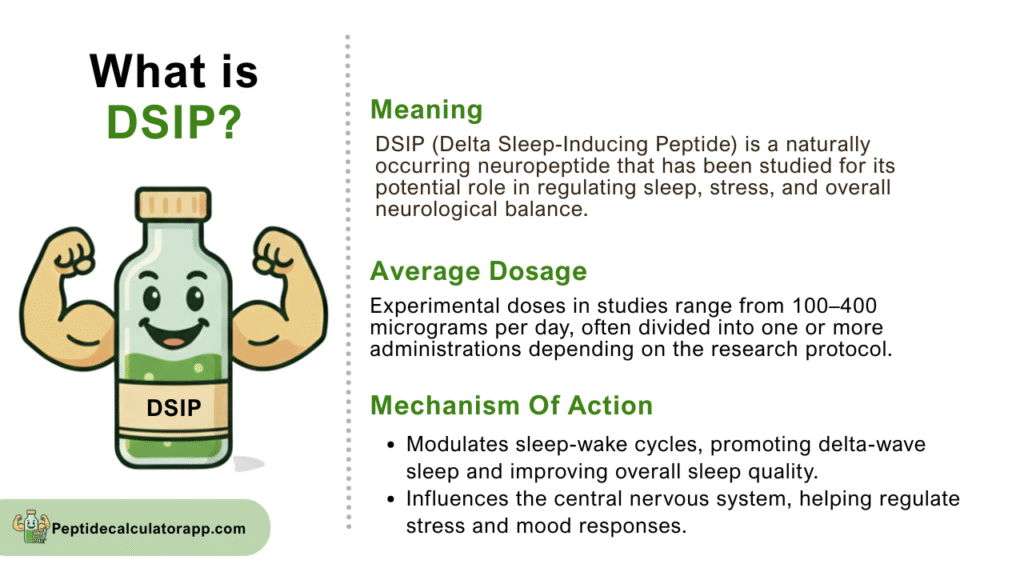
How DSIP Works?
The mechanism of action of DSIP (Delta Sleep Peptide) involves multiple pathways and neurotransmitter systems, making it a complex and multifaceted compound. Unlike traditional sleep medications that typically target specific receptors, DSIP works through a more nuanced approach that promotes natural sleep architecture while maintaining the quality of sleep cycles.
DSIP primarily influences the hypothalamic-pituitary axis, which plays a crucial role in regulating circadian rhythms and sleep-wake cycles. The peptide interacts with various neurotransmitter systems, including GABA, dopamine, and serotonin pathways, helping to restore balance in brain chemistry associated with healthy sleep patterns. Additionally, DSIP appears to modulate the release of growth hormone and cortisol, both of which are intimately connected to sleep quality and stress response.
Research suggests that DSIP also influences the production of endogenous opioids and affects the activity of the sympathetic nervous system. This multi-target approach allows the peptide to address not only sleep disturbances but also related issues such as stress, anxiety, and pain perception that often interfere with restful sleep.
Benefits of DSIP (Delta Sleep Peptide)
Enhanced Sleep Quality
The primary benefit of DSIP is its ability to improve sleep quality naturally. Users often experience deeper, more restorative sleep with enhanced REM and slow-wave sleep phases. Unlike many pharmaceutical sleep aids, DSIP does not typically cause grogginess or dependency, leading to better morning alertness and overall cognitive function.
Stress Reduction
DSIP helps normalize cortisol levels and reduces physiological markers of stress. This stress-modulating effect can benefit individuals dealing with chronic stress, anxiety, or high-pressure environments. Improved stress regulation may also enhance immune function and resilience to daily challenges.
Cognitive and Mood Benefits
By promoting restorative sleep and reducing stress, DSIP indirectly supports cognitive function, focus, and emotional stability. Users often report improved mood and mental clarity during the day.
Pain Management and Recovery
DSIP may enhance the body’s natural pain-relieving mechanisms, contributing to better recovery from physical exertion or injury. Athletes and active individuals may particularly benefit from these effects.
Metabolic and Physiological Regulation
Additional benefits include potential improvements in appetite regulation, metabolism, and overall homeostasis, reflecting DSIP’s influence on multiple physiological systems.
Dosage and Administration
Proper dosage and administration of DSIP (Delta Sleep Peptide) are crucial for achieving optimal results while minimizing potential side effects. The peptide is typically administered through subcutaneous injection, as this method ensures better bioavailability compared to oral administration, which would result in degradation by digestive enzymes.
Standard dosing protocols for DSIP generally range from 100 to 300 micrograms per day, administered approximately 30-60 minutes before bedtime. However, individual responses can vary significantly, and some users may find lower doses of 50-100 micrograms sufficient for their needs. It’s important to start with the lowest effective dose and gradually adjust based on individual response and tolerance.
The injection is typically given subcutaneously in areas with adequate fatty tissue, such as the abdomen or thigh. Proper injection technique and sterile procedures are essential to prevent infection or other complications. Many users find that rotating injection sites helps prevent tissue irritation or the development of lipodystrophy at injection sites.
Cycling protocols are often recommended to prevent tolerance development and maintain effectiveness. Common cycling approaches include using DSIP for 4-6 weeks followed by a 1-2 week break, though individual needs may vary. Some users prefer intermittent dosing, using the peptide only when needed for particularly stressful periods or sleep disturbances.
Storage and Stability
Proper storage and handling of DSIP (Delta Sleep Peptide) are essential for maintaining its potency and ensuring safety. Like many peptides, DSIP is sensitive to environmental factors such as temperature, light, and pH changes, which can lead to degradation and reduced effectiveness.
Lyophilized (freeze-dried) DSIP powder should be stored in a refrigerator at 2-8°C (36-46°F) and can remain stable for extended periods when kept dry and away from light. Once reconstituted with bacteriostatic water or sterile saline, the solution should be stored in the refrigerator and used within 30 days for optimal potency. Some sources suggest that reconstituted DSIP may remain stable for up to 90 days when properly stored, but shorter storage periods are generally recommended for safety.
Freezing reconstituted DSIP is generally not recommended, as the freeze-thaw process can damage the peptide structure and reduce its biological activity. If longer storage periods are necessary, it’s better to keep the peptide in its lyophilized form until ready for use.
When handling DSIP, it’s important to use sterile techniques and clean injection supplies to prevent contamination. The peptide should be protected from direct light and extreme temperatures during transport and storage. Always check for any signs of contamination, such as cloudiness, particles, or unusual odors, before administration.
Potential Side Effects
Common Mild Effects
Mild drowsiness is among the most frequently reported effects of DSIP, particularly during the initial days of use or with higher doses. This usually diminishes as the body adjusts to the peptide. Injection site reactions, such as redness, swelling, or mild discomfort, may also occur with subcutaneous administration and typically resolve quickly.
Sleep and Dream Disturbances
Some users report vivid dreams or changes in sleep patterns. These effects are generally related to DSIP’s role in modulating sleep architecture and may subside as the body adapts. Adjusting the timing of administration can help minimize these disturbances.
Mood and Stress Effects
A small number of individuals may notice minor changes in mood or emotional state, often linked to DSIP’s influence on stress hormone regulation. These effects are typically transient and resolve as the body acclimates to the peptide.
Precautions
Individuals with pre-existing medical conditions, particularly endocrine, sleep, or psychiatric disorders, should consult a healthcare provider before using DSIP. Pregnant or nursing women should avoid use due to limited safety data. Careful monitoring is recommended to ensure safe and effective administration.
FAQs
Q1. How long does it take for DSIP to start working?
Ans: Most users report noticing improvements in sleep quality within the first few days of DSIP administration. However, optimal benefits may take 1-2 weeks of consistent use as the body adjusts to the peptide and sleep patterns normalize.
Q2. Can DSIP be used long-term?
Ans: While DSIP appears to be well-tolerated for extended periods, most protocols recommend cycling the peptide to prevent tolerance development. Typical cycles involve 4-6 weeks of use followed by 1-2 week breaks, though individual needs may vary.
Q3. Is DSIP legal and available for purchase?
Ans: DSIP is available for research purposes in many countries, but its legal status for human consumption varies by jurisdiction. It’s important to check local regulations and obtain DSIP from reputable sources that provide quality testing and purity verification.
Q4. Can DSIP be combined with other supplements or medications?
Ans: While DSIP may be compatible with many supplements, combining it with other sleep medications or central nervous system depressants should be done with caution and medical supervision. Always consult healthcare providers before combining DSIP with other treatments.
Q5. What’s the difference between DSIP and traditional sleep medications?
Ans: Unlike many pharmaceutical sleep aids that can cause dependency and disrupt natural sleep architecture, DSIP works to enhance natural sleep processes. It typically doesn’t cause morning grogginess and may actually improve overall sleep quality rather than simply inducing sedation.
Final Thoughts
DSIP (Delta Sleep Peptide) represents a promising approach to addressing sleep disturbances and stress-related issues through natural biological pathways. Its unique mechanism of action, which promotes natural sleep architecture while supporting overall physiological balance, sets it apart from traditional sleep medications and makes it an attractive option for those seeking sustainable sleep optimization solutions.
The growing body of research supporting DSIP’s effectiveness, combined with its generally favorable safety profile, suggests that this peptide may become increasingly important in the field of sleep medicine and stress management. However, as with any therapeutic intervention, proper education, responsible use, and professional guidance remain essential for achieving optimal results.
For individuals considering DSIP, it’s important to approach its use with realistic expectations and a comprehensive understanding of proper protocols. While the peptide shows significant promise, it works best as part of a holistic approach to sleep hygiene and stress management that includes proper nutrition, regular exercise, and healthy lifestyle practices.