
Retatrutide is a novel triple-acting peptide agonist that simultaneously targets three key hormonal pathways: GIP (glucose-dependent insulinotropic polypeptide), GLP-1 (glucagon-like peptide-1), and glucagon receptors.
The peptide’s unique triple-receptor activation mechanism allows it to regulate blood glucose levels, enhance insulin sensitivity, and promote substantial weight reduction through various physiological pathways.
Clinical trials have demonstrated that Retatrutide can achieve weight loss of up to 24% of body weight, making it one of the most effective anti-obesity medications ever developed. This exceptional efficacy has positioned Retatrutide as a potential game-changer in the treatment of obesity and related metabolic conditions.
How Retatrutide Works?
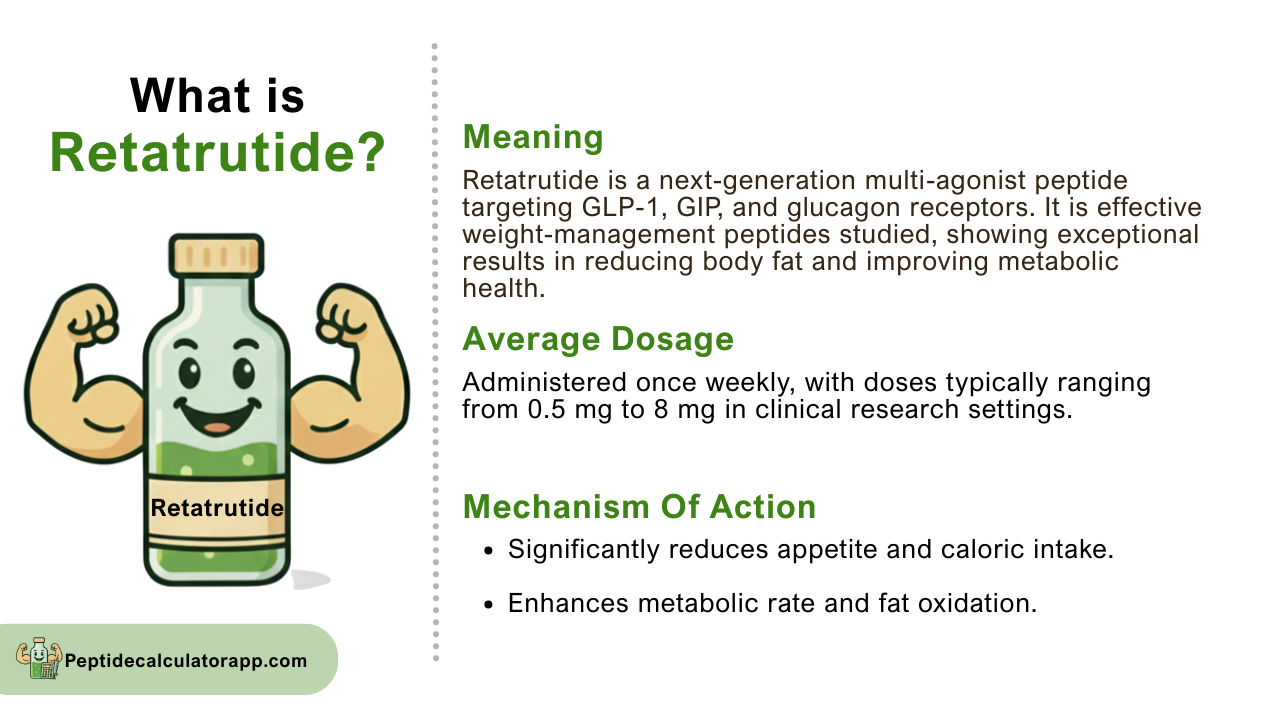
Retatrutide’s effectiveness stems from its sophisticated multi-receptor targeting approach. By simultaneously activating GIP, GLP-1, and glucagon receptors, the peptide orchestrates a comprehensive metabolic response that addresses various aspects of energy homeostasis and glucose regulation.
The GLP-1 receptor activation promotes insulin secretion in a glucose-dependent manner, slows gastric emptying, and reduces appetite through central nervous system pathways. This mechanism helps control post-meal blood sugar spikes while creating a sustained feeling of satiety that naturally reduces caloric intake.
GIP receptor stimulation enhances insulin sensitivity and promotes glucose uptake in peripheral tissues. This action complements the GLP-1 effects and provides additional metabolic benefits, particularly in individuals with insulin resistance or type 2 diabetes.
The glucagon receptor activation component sets Retatrutide apart from other peptide therapies. Glucagon signaling increases energy expenditure, promotes lipolysis (fat breakdown), and enhances thermogenesis. This unique aspect helps accelerate weight loss beyond what appetite suppression alone can achieve.
Together, these three mechanisms create a synergistic effect that addresses the complex nature of metabolic dysfunction. The result is improved glucose control, significant weight reduction, and enhanced overall metabolic health.
Benefits of Retatrutide (“Reta”)
Significant and Sustained Weight Loss
Retatrutide has shown exceptional results in clinical studies, offering some of the most substantial weight-loss outcomes seen in modern metabolic medicine. Depending on dose and treatment duration, participants experienced an average weight reduction of 17–24%, making Retatrutide one of the most effective therapies for obesity management.
Improved Glycemic Control
Beyond weight loss, Retatrutide demonstrates meaningful improvements in blood sugar regulation. Patients with type 2 diabetes saw significant decreases in HbA1c levels, often achieving glycemic targets that had been difficult to reach with standard therapies alone. Because Retatrutide enhances insulin secretion in a glucose-dependent manner, it supports better blood sugar control while reducing the risk of hypoglycemia—a major advantage over many traditional diabetes medications.
Cardiovascular Health Support
The metabolic improvements associated with Retatrutide extend into cardiovascular health. As weight decreases, many users experience reductions in blood pressure, improved lipid profiles, and lowered markers of cardiovascular risk. These secondary benefits can be especially valuable for patients who are overweight or obese and already dealing with hypertension, dyslipidemia, or other cardiac risk factors.
Preservation of Lean Muscle Mass
One of the unique advantages of Retatrutide is its ability to maintain lean body mass during significant fat loss. While many weight-loss therapies—especially aggressive caloric restriction—can lead to unintended muscle reduction, Retatrutide appears to selectively target fat tissue.
Enhanced Quality of Life
Patients using Retatrutide frequently report improvements that go well beyond clinical biomarkers. Increased energy levels, better mobility, improved mood, and enhanced self-esteem are commonly described as weight loss progresses. These quality-of-life benefits contribute significantly to long-term treatment satisfaction and overall well-being.
Dosage and Administration
Retatrutide administration follows a carefully structured protocol designed to maximize efficacy while minimizing potential side effects. The medication is administered via subcutaneous injection, typically once weekly, similar to other long-acting peptide therapies.
Treatment initiation begins with a low dose of 0.5 mg weekly for the first four weeks. This conservative starting approach allows patients to adapt to the medication and helps identify any early adverse reactions. The gradual introduction also helps minimize common gastrointestinal side effects that may occur when starting peptide therapies.
Dose escalation follows a predetermined schedule, typically increasing to 1 mg weekly for weeks 5-8, then to 2 mg weekly for weeks 9-12. Further increases to 4 mg, 8 mg, or 12 mg weekly may be implemented based on individual response and tolerance. The maximum studied dose in clinical trials was 12 mg weekly.
Injection sites should be rotated between the abdomen, thigh, and upper arm to prevent lipodystrophy and ensure consistent absorption. Patients receive comprehensive training on proper injection techniques, including needle disposal and storage requirements.
Healthcare providers monitor patients closely during dose escalation phases, assessing both therapeutic response and potential adverse effects. Dose adjustments may be necessary based on individual tolerance and clinical response patterns.
Storage and Stability
Proper storage of Retatrutide is crucial for maintaining its therapeutic potency and safety profile. The medication requires refrigeration at temperatures between 36°F and 46°F (2°C to 8°C) until first use. Unopened vials or pens should never be frozen, as freezing can denature the peptide and render it ineffective.
Once in use, Retatrutide may be stored at room temperature for up to 21 days, provided temperatures do not exceed 86°F (30°C). This flexibility allows for convenient transport and temporary storage outside of refrigeration, which is particularly beneficial for patients who travel frequently.
Protection from light is essential, as UV exposure can degrade the peptide structure. The medication should be kept in its original packaging until use, and exposure to direct sunlight or bright artificial light should be avoided.
Patients should inspect the medication before each use, looking for any signs of precipitation, cloudiness, or color changes. Any visible particles or unusual appearance indicates potential degradation, and the medication should not be used.
Proper disposal of used injection materials follows standard medical waste protocols. Patients receive sharps containers and instructions for safe disposal through pharmacy take-back programs or designated medical waste facilities.
Potential Side Effects
Gastrointestinal Effects
Retatrutide is usually well-tolerated, but the gastrointestinal system tends to be the first area where patients notice changes. Nausea is by far the most common side effect, appearing in roughly 50–70% of users, especially during the early stages of treatment. For most people, the nausea gradually becomes less noticeable as their body adjusts, and it often decreases significantly once a stable dose is reached.
Vomiting and Diarrhea
Some individuals also experience vomiting or diarrhea, particularly when doses are being increased. These symptoms tend to appear in short bursts and usually settle within a few weeks. Staying hydrated can make a significant difference, and in some cases, healthcare providers may recommend temporary use of anti-nausea medications or small adjustments to dosing schedules to ease the transition.
Reduced Appetite and Nutritional Concerns
The appetite-suppressing effect of Retatrutide is part of what makes it effective, but it can occasionally go too far. When hunger levels drop sharply, some patients unintentionally consume too few nutrients, which can slow progress or cause fatigue. Providers often keep an eye on nutritional intake during treatment and may suggest simple dietary strategies to help maintain adequate protein and calorie levels while still supporting weight loss.
Injection Site Reactions
Local reactions at the injection site are possible but typically mild. A bit of redness, slight swelling, or brief discomfort may occur after administration, and these effects almost always resolve on their own. Rotating injection sites and using proper technique can significantly reduce the likelihood of irritation.
FAQs
Q1. How quickly does Retatrutide start working?
Ans: Most patients begin experiencing appetite reduction within the first week of treatment. Significant weight loss typically becomes apparent after 4-8 weeks, with maximum benefits often achieved after several months of consistent therapy.
Q2. Can Retatrutide be used with other weight loss medications?
Ans: Combination therapy with other weight loss medications requires careful medical supervision. Healthcare providers evaluate potential interactions and monitor for enhanced side effects when considering combination approaches.
Q3. What happens if I miss a dose?
Ans: If a dose is missed by less than 4 days, administer the missed dose as soon as possible. If more than 4 days have passed, skip the missed dose and resume the regular weekly schedule. Never double dose to make up for missed injections.
Q4. Is Retatrutide covered by insurance?
Ans: Insurance coverage varies by provider and plan. Many insurance companies are beginning to cover obesity medications, but prior authorization may be required. Patients should check with their insurance providers and healthcare teams about coverage options.
Final Thoughts
Retatrutide represents a significant advancement in obesity and metabolic disease treatment, offering unprecedented weight loss outcomes through its innovative triple-receptor mechanism. The substantial clinical benefits, including meaningful weight reduction and improved glycemic control, position this peptide as a potentially transformative therapy for millions of individuals struggling with obesity and related conditions.
As research continues and real-world experience expands, Retatrutide may reshape the landscape of obesity treatment and metabolic medicine. For patients who meet appropriate criteria and can tolerate the medication, Retatrutide offers hope for achieving sustainable weight loss and improved overall health outcomes.