

MOTS-c, short for “Mitochondrial Open Reading Frame of the 12S rRNA-c,” is a 16-amino acid peptide that represents a breakthrough in our understanding of mitochondrial biology. Discovered relatively recently, this peptide is encoded within the mitochondrial genome, specifically in the 12S ribosomal RNA gene. Unlike traditional peptides that are encoded by nuclear DNA, MOTS-c originates from the powerhouse of the cell itself – the mitochondria.
This unique peptide acts as a signaling molecule that can communicate between mitochondria and the nucleus, creating a sophisticated cellular communication network. MOTS-c is considered part of a new class of molecules called mitochondrial-derived peptides (MDPs), which are revolutionizing our understanding of how mitochondria influence aging, metabolism, and overall cellular health.
How MOTS-c Works?
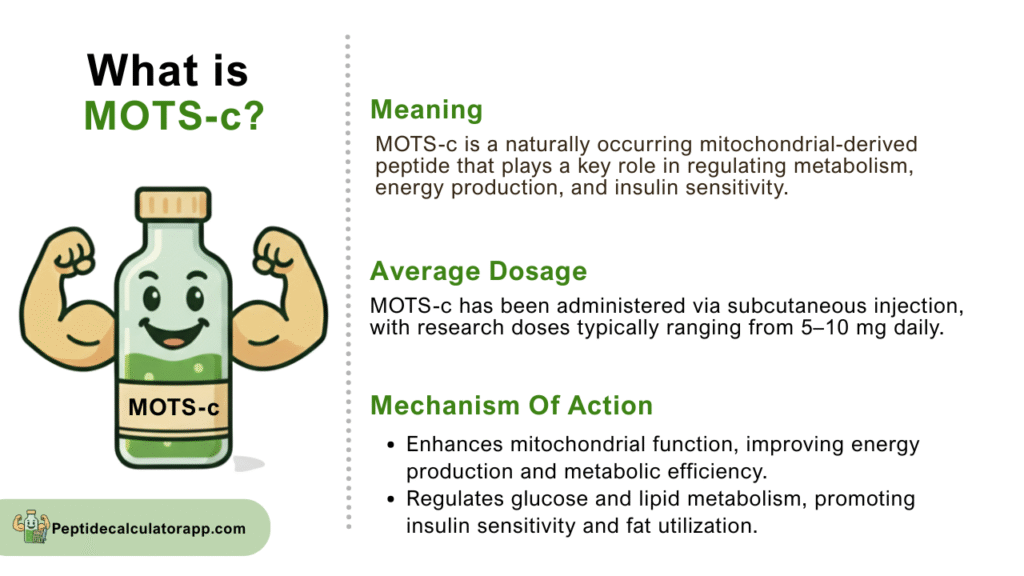
MOTS-c operates through several sophisticated mechanisms that primarily target metabolic pathways and cellular energy production. The peptide functions as a metabolic regulator by activating AMP-activated protein kinase (AMPK), a crucial enzyme that serves as the cell’s energy sensor. When AMPK is activated, it promotes glucose uptake, enhances fatty acid oxidation, and improves overall metabolic efficiency.
At the cellular level, MOTS-c influences gene expression by translocating to the nucleus during times of metabolic stress. Once in the nucleus, it can regulate the expression of genes involved in glucose metabolism, particularly those in the folate and methionine cycle. This nuclear translocation is triggered by glucose restriction or metabolic stress, suggesting that MOTS-c acts as an adaptive response mechanism.
The peptide also enhances mitochondrial function by improving respiratory capacity and promoting mitochondrial biogenesis. This leads to more efficient ATP production and better cellular energy status. Additionally, MOTS-c appears to influence insulin sensitivity, making cells more responsive to insulin signaling and improving glucose homeostasis.
Benefits of MOTS-c
Improved Glucose Metabolism and Insulin Sensitivity
MOTS-c has been shown to enhance the body’s ability to process glucose efficiently, helping to regulate blood sugar levels and improve insulin sensitivity. This makes it particularly relevant for metabolic health and conditions such as insulin resistance or prediabetes.
Weight Management and Body Composition
The peptide promotes fat oxidation while preserving lean muscle mass, supporting healthier body composition. Its dual action on fat loss and muscle retention makes it an attractive option for individuals aiming to optimize weight management.
Enhanced Exercise Performance and Endurance
MOTS-c improves mitochondrial efficiency and energy production, which may lead to better exercise performance, stamina, and overall endurance. This effect supports both athletic performance and general physical vitality.
Cognitive Benefits
Research suggests that MOTS-c may help protect against age-related cognitive decline and improve brain function. By enhancing mitochondrial activity in neural tissue, it supports mental clarity, focus, and overall cognitive health.
Dosage and Administration
MOTS-c dosage protocols vary depending on individual goals and research findings. Typical dosing ranges from 5-10mg administered subcutaneously, usually 2-3 times per week. Some protocols suggest daily administration at lower doses (2-5mg), while others recommend higher doses (10-15mg) administered less frequently.
The peptide is typically administered via subcutaneous injection, similar to insulin administration. Injection sites commonly include the abdominal area, thigh, or upper arm, with rotation of injection sites recommended to prevent tissue irritation. Some practitioners suggest timing administration around exercise sessions to potentially enhance the metabolic benefits.
Duration of treatment cycles typically ranges from 4-12 weeks, followed by a break period. This cycling approach helps prevent potential tolerance and maintains the peptide’s effectiveness. Individual response can vary significantly, and dosing should always be supervised by a qualified healthcare provider familiar with peptide therapy.
Storage and Stability
Proper storage of MOTS-c is crucial for maintaining its stability and effectiveness. Lyophilized (freeze-dried) MOTS-c should be stored in a freezer at -20°C or below, where it can remain stable for up to two years. Once reconstituted with bacteriostatic water, the peptide should be stored in a refrigerator at 2-8°C.
Reconstituted MOTS-c typically maintains stability for 2-4 weeks when properly refrigerated. The solution should be protected from light and extreme temperatures. Freezing reconstituted peptide is not recommended as it can damage the molecular structure and reduce effectiveness.
Always use sterile technique when handling and preparing MOTS-c solutions. Bacteriostatic water is preferred for reconstitution as it contains preservatives that help prevent bacterial growth. Proper storage and handling are essential for maintaining the peptide’s biological activity and preventing contamination.
Potential Side Effects
Injection Site Reactions
MOTS-c is generally well-tolerated, but some individuals may experience mild injection site reactions such as redness, swelling, or discomfort. These reactions are usually transient and resolve within a few hours to days.
Fatigue and Sleep Changes
During the initial phases of treatment, some users may notice fatigue or changes in sleep patterns as the body adjusts to enhanced metabolic activity.
Gastrointestinal Effects
Occasionally, mild nausea or digestive disturbances may occur. These effects are typically temporary and subside as the body adapts to the peptide.
Hypoglycemia
Low blood sugar is a potential concern, particularly for individuals with diabetes or those taking glucose-lowering medications. Close monitoring of blood glucose levels is recommended when starting MOTS-c therapy.
Allergic Reactions
Although rare, allergic reactions are possible. Users should be vigilant for symptoms such as rash, swelling, or difficulty breathing, and seek medical attention if they occur.
FAQs
Q1. How quickly can I expect to see results from MOTS-c?
Ans: Most individuals report initial effects within 2-4 weeks of starting treatment, with more significant changes typically observed after 6-8 weeks of consistent use.
Q2. Can MOTS-c be combined with other peptides?
Ans: MOTS-c can potentially be combined with other therapeutic peptides, but this should only be done under medical supervision to avoid interactions and ensure safety.
Q3. Is MOTS-c legal?
Ans: MOTS-c is legal for research purposes in most jurisdictions, but regulations regarding therapeutic use vary by location. Always check local laws and regulations.
Q4. Does MOTS-c require a prescription?
Ans: In most areas, MOTS-c is available through compounding pharmacies and research suppliers, though requirements may vary by jurisdiction.
Final Thoughts
MOTS-c represents an exciting frontier in peptide therapy and metabolic medicine. As a naturally occurring mitochondrial-derived peptide, it offers a unique approach to addressing age-related metabolic decline and optimizing cellular energy production. The growing body of research supporting its benefits for glucose metabolism, weight management, and potentially longevity makes it an increasingly attractive option for those seeking to optimize their health.
While the research is promising, it’s important to approach MOTS-c with realistic expectations and proper medical guidance. As with any therapeutic intervention, individual responses may vary, and the long-term effects are still being studied. Those considering MOTS-c should work with qualified healthcare providers familiar with peptide therapy to develop appropriate protocols and monitor progress.
The future of MOTS-c research looks bright, with ongoing studies likely to provide more definitive data on its therapeutic potential and optimal use protocols. As our understanding of mitochondrial-derived peptides continues to evolve, MOTS-c may well become a cornerstone of personalized medicine approaches to healthy aging and metabolic optimization.